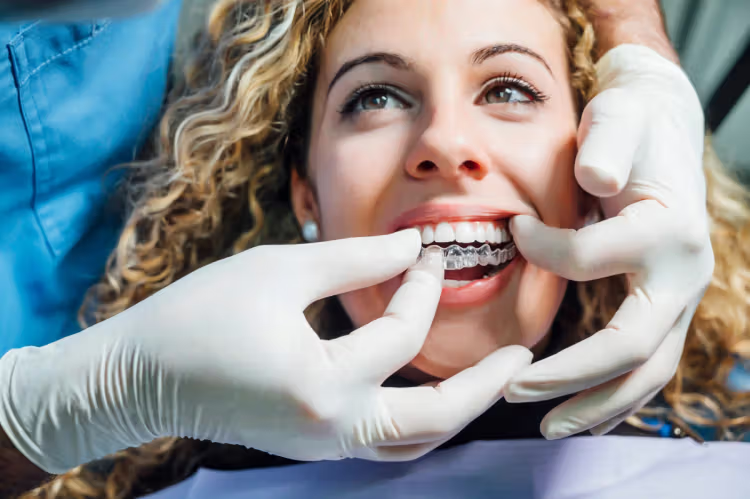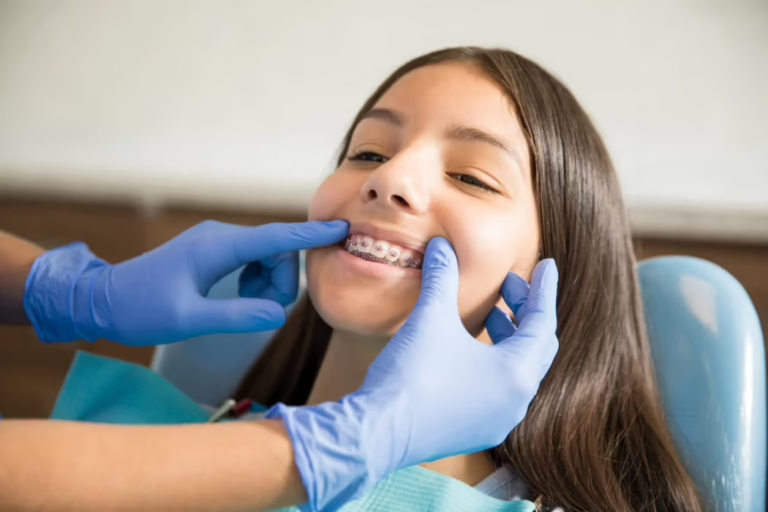
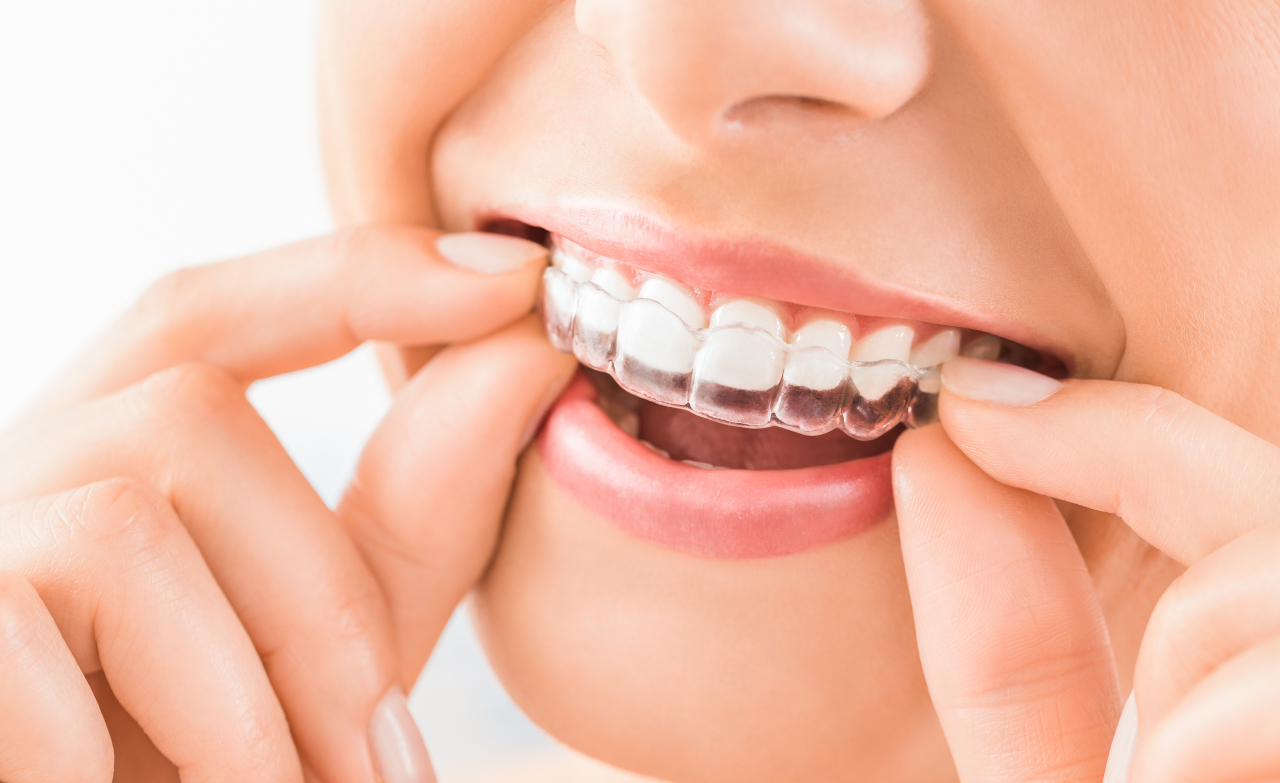
When most people picture clear aligner treatment, they imagine a smooth, nearly transparent tray fitting over the teeth. Then, during treatment planning, they hear that small attachments may need to be placed on certain teeth. That can raise understandable questions. What are clear aligner attachments? Will people notice them? Why are they necessary if the trays are already designed to move the teeth?
At Lake Travis Orthodontics, patients receiving clear aligners in Bee Cave may have attachments included in their personalized treatment plan. These small features can give an aligner better control over individual teeth, allowing the orthodontist to plan movements that may be more difficult for a smooth tray to accomplish on its own. Not every patient needs the same attachments, and some patients may need very few or none at all.
What Are Clear Aligner Attachments?
Clear aligner attachments are small shapes made from tooth-colored dental material that are bonded to selected teeth. They may also be called attachments or, in casual conversation, bumps. Their purpose is to create additional surfaces that the aligner can grip as it applies controlled pressure to the teeth.
Attachments can vary in size, shape, location, and orientation. One tooth may need a small rectangular attachment, while another may require a differently shaped feature based on the movement being planned.
The design is not random. Each attachment is selected as part of the orthodontic treatment plan. The orthodontist determines where additional control may be helpful and uses that information when designing the aligner sequence.
When the clear aligner is placed over the teeth, the tray fits around the attachment. Together, the tray and attachment can create a more precise system for guiding tooth movement.
Why Do Clear Aligners Need Attachments?
A clear aligner applies pressure by fitting closely around the teeth. This can work very well for many movements. However, teeth are three-dimensional structures, and some movements require more control than a smooth plastic surface can easily provide.
Attachments help the aligner engage a tooth more effectively. They can provide an additional point of contact that allows the tray to apply force in a planned direction.
For example, an attachment may be helpful when a tooth needs to rotate, move vertically, change its angulation, or complete another movement requiring additional grip. Attachments can also help the aligner remain securely seated against the teeth.
This is one reason clear aligner treatment should be planned by an orthodontist rather than viewed simply as wearing a series of plastic trays. Successful treatment involves understanding how each tooth needs to move and designing the appliance system around those movements.
Are Clear Aligner Attachments the Same as Brackets?
No. Clear aligner attachments and braces brackets serve different roles.
Brackets are components of fixed orthodontic appliances. During braces treatment, brackets are bonded to the teeth and connected by an orthodontic archwire. They stay on the teeth throughout active treatment unless the orthodontist needs to replace or reposition one.
Clear aligner attachments are smaller pieces of tooth-colored material designed to work with removable aligners. The aligner fits over both the teeth and attachments, and the patient removes the tray for meals and oral hygiene according to treatment instructions.
Patients comparing removable orthodontics with fixed treatment can also learn more about braces in Bee Cave. The better option depends on the type of tooth movement required, the patient’s preferences, and the orthodontist’s assessment.
What Do Clear Aligner Attachments Look Like?
Attachments are typically made from material selected to blend reasonably well with the natural tooth surface. Their appearance can vary depending on tooth color, attachment size, tooth location, lighting, and the shape required for treatment.
Because the attachment projects slightly from the tooth, it may become more noticeable when someone looks closely. In addition, the clear aligner will have a matching space designed to fit around it.
However, attachments are generally much smaller than traditional braces brackets. Many patients find that they become accustomed to the appearance quickly, particularly once they understand that the attachments are helping the aligners perform specific movements.
The goal is not to hide the treatment at every possible angle. Instead, clear aligners provide a lower-profile orthodontic option while still giving the orthodontist tools to manage the movements required for a successful result.
How Are Clear Aligner Attachments Put On?
Placing clear aligner attachments is generally a straightforward orthodontic procedure. The tooth surface is prepared, and tooth-colored material is positioned using a template designed around the treatment plan.
The material is hardened so that it remains attached to the tooth. Afterward, the orthodontist or orthodontic team checks the attachments and makes sure the clear aligner fits properly over them.
No drilling into the tooth is required simply to place a standard clear aligner attachment. Instead, the material is bonded to the tooth surface.
Patients may immediately notice that removing and inserting the aligners feels slightly different once attachments are present. That is expected because the tray has been designed to grip those areas more securely.
Do Clear Aligner Attachments Hurt?
The attachments themselves generally do not create ongoing pain. However, when a new aligner engages an attachment and begins applying force, patients may notice pressure or temporary tooth tenderness.
This sensation is similar to the pressure that can occur with clear aligner treatment in general. It reflects the forces being used to guide the teeth toward their planned positions.
The inside of the lips or cheeks may also need a little time to adjust to the texture of attachments when the aligners are removed. Because the trays normally cover the attachments while being worn, many patients notice them most during meals and oral hygiene.
If an attachment feels unusually sharp, causes significant irritation, or seems damaged, contact the orthodontic office rather than trying to alter it yourself.
Benefits of Clear Aligner Attachments
Although patients sometimes wish clear aligner treatment could be completed without any bonded features, attachments can significantly expand the orthodontist’s ability to control tooth movement. Their potential advantages include:
- Improved control of tooth movement: Attachments provide additional surfaces for the aligner to engage.
- Support for tooth rotation: Certain attachments can help guide teeth that need to turn into improved alignment.
- Better vertical control: Attachments may assist when teeth need to move upward or downward within the orthodontic plan.
- More secure aligner seating: In some situations, attachments help the tray stay closely engaged with selected teeth.
- More complex clear aligner treatment: Attachments can allow clear aligners to manage movements that might otherwise be difficult with a smooth tray alone.
- Personalized orthodontic planning: Each attachment can be designed around the needs of a particular tooth rather than using the same approach for every patient.
Does Everyone With Clear Aligners Need Attachments?
No. The number of attachments needed varies from patient to patient. One person may need attachments on several teeth, while another may have only a few.
The decision depends on the type and amount of movement required. Mild spacing or alignment concerns may involve a different attachment plan than significant rotations, crowding, or bite correction.
In addition, attachment needs can change during treatment. An orthodontist may remove an attachment, add a new one, or change the treatment design as the teeth progress.
For this reason, patients should not compare the number of attachments they have with those of a friend or family member. Two people can both use clear aligners while having very different orthodontic treatment plans.
Can Attachments Be Placed on Front Teeth?
Yes. Clear aligner attachments can be placed on front teeth when those teeth require additional control. Understandably, some patients are concerned that an attachment on a front tooth will make treatment more visible.
The orthodontist considers both treatment mechanics and the tooth movements required when determining attachment placement. Avoiding a useful attachment solely because of its location could potentially limit the movement the aligner needs to accomplish.
Patients who are concerned about appearance should discuss those concerns during treatment planning. The orthodontist can explain why each attachment is recommended and what role it plays in the overall plan.
Clear aligner treatment is designed to be discreet, but effective orthodontics remains the primary goal.
How Do You Remove Clear Aligners With Attachments?
Removing an aligner can feel more difficult after attachments are placed because the tray is designed to fit closely around them. Patients often become much more comfortable with the process after a few days of practice.
Follow the technique recommended by Lake Travis Orthodontics. In many cases, gradually loosening the tray from the back teeth and working toward the front can be easier than pulling forcefully from one spot.
Avoid bending or twisting the aligner unnecessarily. Excessive force can damage the tray.
If an aligner consistently feels impossible to remove, ask the orthodontic team for help with technique rather than repeatedly forcing it. A small adjustment in the way you remove the tray can make the process much easier.
Can You Eat With Clear Aligner Attachments?
Patients generally remove clear aligners for meals according to their orthodontist’s instructions. The attachments remain bonded to the teeth while you eat.
Because the attachments stay in place, you may notice them against your cheeks or tongue at first. Most patients adjust to the sensation with time.
Eating normally does not mean ignoring the attachments, however. Very hard foods or habits such as chewing ice may place unnecessary stress on bonded dental material.
If an attachment comes off while eating, do not panic. Save any piece if you notice it, continue following your aligner instructions unless told otherwise, and contact Lake Travis Orthodontics to find out whether the attachment should be replaced.
How Should You Brush Around Clear Aligner Attachments?
Good oral hygiene remains important throughout clear aligner treatment. Because attachments create additional contours on the tooth surface, patients should brush carefully around them rather than quickly brushing only over the front of the teeth.
Use a soft-bristled toothbrush and clean along the gumline, around each attachment, and on all surfaces of the teeth. Floss between the teeth regularly as well.
Before reinserting an aligner after eating, clean your teeth when practical. Putting clear trays over food particles can trap debris against the teeth.
The aligners themselves also need regular cleaning according to your orthodontist’s instructions. Maintaining both the trays and your teeth helps keep treatment more comfortable and hygienic.
Do Clear Aligner Attachments Stain?
The material used for attachments is selected to blend with the teeth, but discoloration can occur depending on diet, oral hygiene, and other factors.
Good brushing habits can help keep the area around attachments clean. Patients who frequently consume strongly pigmented foods or beverages may notice more discoloration over time.
Clear aligners themselves may also become discolored if patients drink certain beverages while wearing them. Follow the practice’s instructions regarding what can be consumed with trays in place.
If an attachment changes appearance or you are concerned about staining, ask the orthodontic team about it at your next appointment.
What Happens If a Clear Aligner Attachment Falls Off?
An attachment can occasionally come loose from a tooth. This does not necessarily mean the entire treatment plan has been disrupted, but the orthodontic office should be notified.
Whether the attachment needs to be replaced immediately depends on its purpose and where you are in the treatment sequence. Some attachments are especially important for movements occurring in the current aligner stage.
Do not try to replace the attachment yourself. Continue wearing your aligners according to the instructions you receive from Lake Travis Orthodontics.
If the loss of an attachment is accompanied by a cracked aligner or another appliance issue, explain that when contacting the office so the team has a complete picture of what happened.
Are Clear Aligner Attachments Removed After Treatment?
Yes. Attachments are temporary orthodontic features. Once they are no longer needed, the orthodontist can remove the bonded material from the tooth surface.
Some attachments may be removed before the entire treatment is finished, while others remain in place until the active aligner phase is complete.
After clear aligner treatment, patients generally transition into retention. Retainers help maintain the new tooth positions because teeth can gradually shift after active orthodontic treatment.
Lake Travis Orthodontics offers Essix retainers, which are clear removable appliances that may be recommended to help preserve orthodontic alignment.
Are Attachments Used With Invisalign?
Attachments can be part of Invisalign treatment when additional tooth control is needed. Lake Travis Orthodontics also provides Invisalign in Bee Cave for patients whose needs are suitable for this type of clear aligner therapy.
Whether a patient uses Invisalign or another clear aligner system, attachments are selected according to the treatment design rather than simply because of the brand of tray.
The orthodontist evaluates the movements needed and determines which features can help the aligners achieve those goals.
Can Clear Aligners Work Without Attachments?
Yes, some orthodontic cases can be treated with few attachments or potentially without them. However, eliminating attachments is not necessarily an advantage if doing so makes important movements less predictable.
A better question is whether the proposed attachment plan supports the tooth movements needed for your individual case.
Patients choosing clear aligners often value appearance and convenience, but treatment should still prioritize controlled movement and a balanced bite. Attachments are one of the tools that can help make removable orthodontics more capable.
Why Following Your Wear Schedule Still Matters
Attachments cannot move teeth on their own. They work with the clear aligners, which means the trays need to be worn according to the orthodontist’s instructions.
If aligners are frequently left out for long periods, the planned forces cannot work consistently. The trays may begin fitting less accurately, which can affect how well they engage the attachments.
Patients should also follow the prescribed schedule for changing to the next set of aligners. Moving ahead early because a tray feels comfortable does not necessarily mean the teeth are ready for the next stage.
Successful clear aligner treatment is a combination of careful orthodontic planning and consistent patient participation.
Common Questions About Clear Aligner Attachments
Are clear aligner attachments noticeable?
Attachments are made from tooth-colored material and are generally less noticeable than traditional braces brackets. However, visibility varies depending on their size, location, tooth color, and lighting.
Do clear aligner attachments stay on when I eat?
Yes. The aligners are removed for meals according to treatment instructions, but attachments remain bonded to the teeth.
What happens if an attachment falls off?
Contact your orthodontic office for guidance. The orthodontist can determine whether the attachment needs to be replaced immediately based on its role in your current treatment stage.
Do attachments damage tooth enamel?
Clear aligner attachments are bonded temporarily to the tooth surface and are removed when no longer needed. Your orthodontic team will use appropriate techniques when placing and removing them.
Does every clear aligner patient need attachments?
No. Attachment needs vary according to the tooth movements being planned. Some patients require several attachments, while others may need only a few.
Will attachments be removed when clear aligner treatment is finished?
Yes. Attachments are temporary features and can be removed when they are no longer required for active orthodontic treatment.
Learn How Clear Aligners Can Be Personalized to Your Smile
Clear aligner attachments may seem like a small detail, but they can play an important role in helping removable trays control specific tooth movements. Their size, shape, and location are selected according to the orthodontic plan, allowing treatment to be customized rather than relying on the same tray design for every smile.
If you are considering clear aligners in Bee Cave and want to know whether attachments may be part of your treatment, call Lake Travis Orthodontics at (512) 402-1501 or visit 12500 Bee Caves Rd, Bee Cave, TX 78738 to Schedule a Consultation.