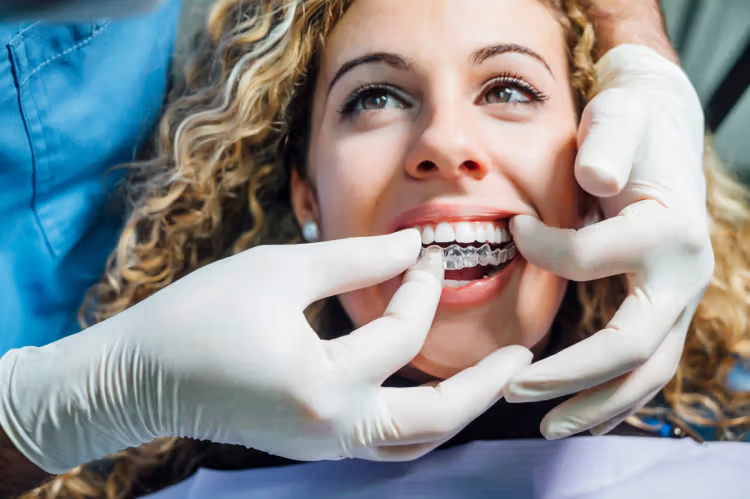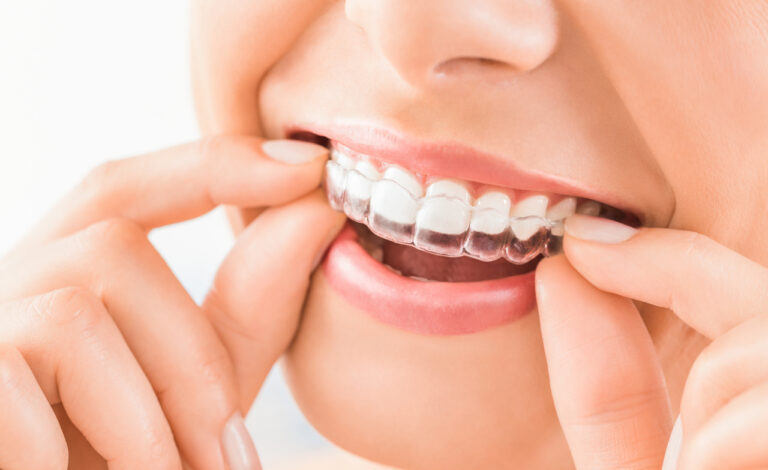
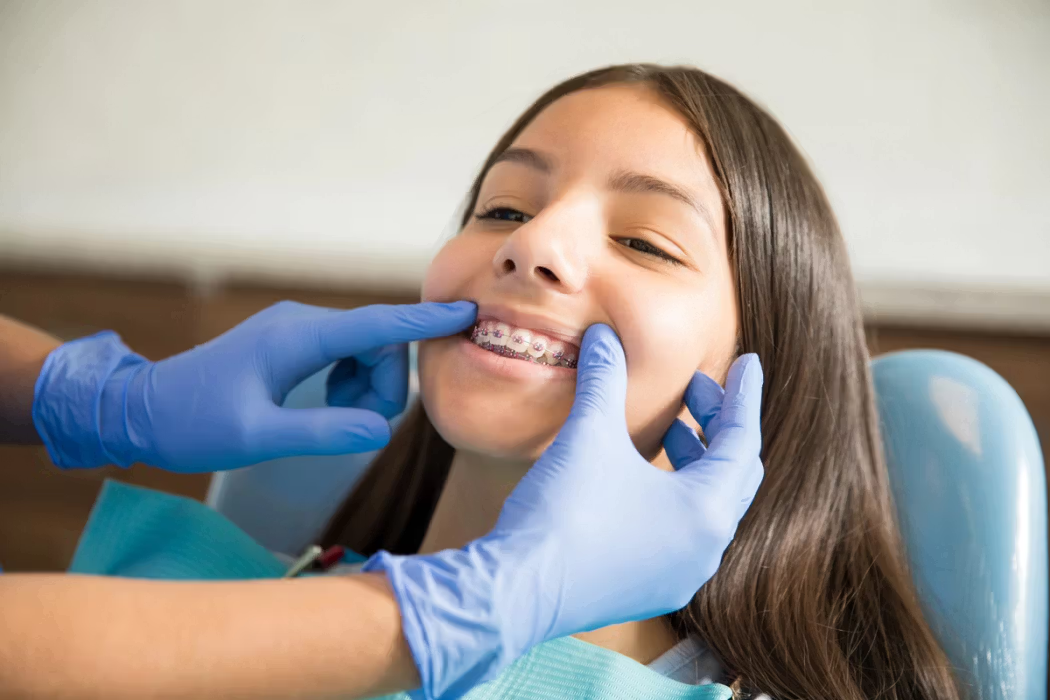
Braces create plenty of new opportunities for food to hide. Brackets, wires, hooks, and small spaces around the teeth can trap particles that were much easier to remove before orthodontic treatment began. As a result, brushing and flossing with braces requires a little more attention, but it does not need to become complicated or frustrating.
Patients receiving braces in Bee Cave at Lake Travis Orthodontics can protect their teeth throughout treatment by building a consistent cleaning routine. Brushing and flossing with braces helps remove plaque from around orthodontic appliances, supports healthy gums, and keeps the tooth surfaces underneath and around the brackets as clean as possible while the teeth move into their planned positions.
Why Is Oral Hygiene So Important With Braces?
Braces do not cause plaque, but they create more surfaces where plaque and food particles can collect. A bracket sits on the front of each treated tooth, while the archwire passes across the dental arch. Depending on the treatment plan, patients may also have hooks, elastic attachments, or other orthodontic components.
When food becomes trapped around these areas, bacteria can use carbohydrates and sugars left behind in the mouth. If plaque is not removed regularly, the gums may become irritated and the enamel around the brackets can become more vulnerable.
Therefore, brushing and flossing with braces is not simply about keeping food out of sight. It is an important part of protecting your teeth throughout orthodontic treatment.
Your orthodontist is moving the teeth, but your daily home care helps protect the surfaces of those teeth during the process.
How Often Should You Brush With Braces?
Patients with braces generally need to brush carefully and consistently, including after meals when practical. Food can collect around brackets quickly, particularly after eating bread, pasta, rice, meat, or other foods that can become lodged around wires.
If you are unable to brush immediately after a meal, rinsing thoroughly with water can help remove loose debris until you have access to your toothbrush. However, rinsing should not replace regular brushing.
A predictable routine often works best. Brushing in the morning, after meals when possible, and carefully before bed helps prevent food and plaque from remaining around the braces for long periods.
The nighttime cleaning routine deserves particular attention because it is often the best opportunity to slow down and thoroughly clean each bracket, tooth surface, and gumline.
What Type of Toothbrush Should You Use With Braces?
A soft-bristled toothbrush can be used effectively for brushing with braces. Some patients prefer a manual toothbrush, while others find an electric toothbrush convenient. Either can work when the technique is thorough and gentle.
The important point is to reach the areas above and below every bracket. Simply brushing straight across the front of the braces may leave plaque along the gumline and around the edges of the brackets.
Because orthodontic appliances can cause toothbrush bristles to wear more quickly, check your toothbrush regularly. A brush with frayed or flattened bristles may not clean as effectively.
If you are unsure whether your current toothbrush is appropriate, ask the team at Lake Travis Orthodontics during your next appointment.
How to Brush Braces Step by Step
Effective brushing and flossing with braces becomes easier when you follow a consistent order. Rather than quickly brushing across the entire mouth, work systematically so each tooth receives attention.
- Rinse first: Swish with water to loosen food particles around brackets and wires.
- Brush along the gumline: Angle the toothbrush so the bristles clean the area where the teeth meet the gums.
- Brush above the brackets: Angle the bristles downward toward the top edge of the brackets.
- Brush below the brackets: Angle the toothbrush upward so the bristles reach underneath the bracket edges and wire.
- Clean the bracket surfaces: Gently brush across the fronts and sides of the brackets.
- Brush the chewing surfaces: Clean the tops of molars and premolars thoroughly.
- Brush the inside surfaces: Do not forget the backs of the teeth, even though there are no brackets there in most conventional braces cases.
- Check your work: Use a mirror to look for visible food around brackets and wires.
This process may take longer than brushing without braces, especially during the first few weeks. However, patients usually become faster as the routine becomes familiar.
Should You Brush Harder Around Brackets?
No. Brushing harder is not the same as brushing more thoroughly. Excessive pressure can irritate gum tissue and wear toothbrush bristles quickly.
Instead, use gentle pressure and focus on angles. The goal is to guide the bristles around brackets, along the gumline, and under the archwire where possible.
Small, controlled motions can be more effective than aggressive scrubbing. Patients should pay particular attention to the areas directly above and below the brackets because those locations can be easy to miss.
If your gums bleed when brushing, do not automatically stop cleaning that area. Bleeding can occur when gums are irritated by plaque. However, persistent or significant bleeding should be discussed with your dentist or orthodontic team.
How Do You Floss With Braces?
Traditional flossing becomes more challenging with braces because the archwire prevents a strand of floss from simply sliding between the teeth from the top.
Instead, the floss needs to pass underneath the archwire before it can clean between two teeth. A floss threader can make this easier. The threader acts somewhat like a flexible needle, helping guide the floss beneath the wire.
Once the floss is under the archwire, move it gently between the teeth. Curve the floss around the side of one tooth and move it carefully along the surface. Then clean the neighboring tooth before removing the floss and moving to the next space.
Brushing and flossing with braces takes patience at first, but consistent practice usually makes the process much easier.
What Is a Floss Threader?
A floss threader is a small, flexible tool designed to help guide regular floss beneath braces wires, bridges, and other dental appliances.
To use one, place a section of floss through the loop of the threader. Guide the firm end beneath the archwire, then pull the floss through. Once the floss is positioned correctly, clean between the teeth as usual.
This process needs to be repeated for each area because the archwire separates the spaces between the teeth.
Although this takes more time than flossing without braces, many patients become efficient once they establish a routine. Keeping floss threaders in the same place as your toothbrush can also make it easier to remember them.
Can You Use Interdental Brushes With Braces?
Interdental brushes can be helpful for cleaning around orthodontic appliances. These small brushes are designed to fit into tight spaces and can often reach beneath the archwire or around bracket edges.
They can be particularly useful after meals when food is caught in a visible area. Some patients keep an interdental brush in a backpack, purse, office drawer, or braces care kit for convenient cleaning during the day.
However, an interdental brush does not automatically replace floss. Different cleaning tools reach different areas, so follow the oral hygiene recommendations provided by your orthodontist and general dentist.
Use the brush gently and avoid forcing it into spaces where it does not fit.
Benefits of Brushing and Flossing With Braces
Consistent oral hygiene supports the health of your teeth and gums throughout orthodontic treatment. Benefits of brushing and flossing with braces include:
- Removing trapped food: Brackets and wires create spaces where food can collect, and regular cleaning helps remove those particles.
- Reducing plaque buildup: Thorough brushing and flossing help prevent plaque from remaining around brackets and along the gumline.
- Supporting healthier gums: Cleaning around the gumline can help reduce irritation associated with plaque accumulation.
- Protecting tooth surfaces: Keeping the areas around brackets clean supports healthier enamel during treatment.
- Making orthodontic appointments easier: Clean teeth and appliances allow the orthodontic team to focus on treatment progress rather than heavy plaque or trapped food.
- Supporting a cleaner-looking smile during treatment: Good home care helps braces and teeth look cleaner between appointments.
- Preparing for the day braces come off: Maintaining the teeth throughout treatment helps patients reach the end of orthodontic care with cleaner tooth surfaces and healthier gums.
What Foods Make Braces Harder to Clean?
Some foods tend to become trapped around braces more easily than others. Bread, shredded meat, rice, leafy vegetables, pasta, and similar foods may lodge around brackets or beneath wires.
This does not necessarily mean every food that gets caught in braces must be avoided. Instead, patients should expect to clean their teeth afterward.
Other foods may need to be limited because they can damage the appliances. Hard, sticky, or excessively chewy foods can loosen brackets or bend wires.
Following food instructions is useful for two reasons. It helps protect the braces from damage and can make cleaning easier throughout treatment.
Should You Brush Immediately After Every Meal?
Cleaning after meals is useful because it reduces the amount of time food remains trapped around orthodontic appliances. However, real life does not always allow patients to brush immediately.
Students may be between classes, adults may be in meetings, and families may be traveling. When brushing is not practical, rinsing thoroughly with water can help until you are able to clean properly.
Keeping a travel toothbrush in a backpack or work bag can make brushing after lunch much easier. A small orthodontic care kit can also include toothpaste, floss threaders, interdental brushes, orthodontic wax, and extra elastics if they have been prescribed.
Can You Use an Electric Toothbrush With Braces?
Many patients can use an electric toothbrush during orthodontic treatment. The key is using the brush carefully around brackets, wires, and gum tissue.
An electric toothbrush does not automatically provide better cleaning if important areas are skipped. Patients still need to position the brush around the top and bottom of each bracket and clean the gumline carefully.
Similarly, a manual toothbrush can provide excellent cleaning when the technique is thorough.
Choose the tool you are most likely to use consistently and correctly, and ask your orthodontic team if you have questions about your specific appliance.
How Do You Know Whether Your Braces Are Clean?
After brushing, look closely in a mirror. Check around the bracket edges and underneath the archwire for visible food particles.
The gumline is another important area to examine. Puffy, red, or irritated gums can be a sign that cleaning needs more attention, although gum changes can have several causes and should be evaluated if they persist.
Your teeth should feel relatively smooth after brushing rather than coated or fuzzy. The orthodontic team may also point out specific areas that need more attention during adjustment appointments.
Do not view this feedback as criticism. Braces create genuinely challenging areas to clean, and learning where plaque accumulates allows you to improve your technique.
Do You Still Need Regular Dental Cleanings With Braces?
Yes. Orthodontic appointments and regular dental appointments have different purposes.
Lake Travis Orthodontics monitors tooth movement, appliance condition, alignment, and bite correction. Your general dentist continues to evaluate routine oral health and provide preventive dental care.
Professional dental cleanings are still important while you have braces. In fact, maintaining a regular schedule can be particularly useful because braces make home cleaning more demanding.
Tell both offices about your orthodontic treatment and follow the appointment schedule recommended for your needs.
What If Your Gums Become Puffy Around Braces?
Gum tissue can become irritated when plaque accumulates around the teeth and brackets. Puffy gums can also make cleaning more difficult because they create additional contours around the tooth surfaces.
Improving brushing and flossing with braces may help when plaque is contributing to the irritation. Focus especially on gentle cleaning along the gumline rather than avoiding the area.
However, persistent swelling, pain, bleeding, or other gum concerns should be evaluated professionally. Contact your dentist or orthodontic team so the cause can be identified.
It is better to address a developing oral health concern than to ignore it until the next routine visit.
How Should You Clean Around Orthodontic Elastics and Hooks?
Patients who use orthodontic elastics may have small hooks attached to brackets or other appliance components. Food can occasionally collect around these areas.
When brushing, clean gently around the hooks without bending or pulling them. If your elastics are removable, follow the orthodontist’s instructions about when they should be taken out and replaced.
Never change the elastic pattern simply because it makes brushing easier. The attachment locations and wear schedule are prescribed to create specific orthodontic forces.
If a hook breaks or an appliance becomes damaged while cleaning, contact Lake Travis Orthodontics for guidance.
What Should You Do If a Wire Makes Brushing Difficult?
A wire that suddenly feels different, protrudes into the cheek, or interferes with normal cleaning may have shifted or become damaged. Do not repeatedly bend the wire in an attempt to create more room.
Orthodontic wax can provide temporary protection if the wire is irritating soft tissue. Then contact the orthodontic office to explain what has happened.
Lake Travis Orthodontics provides information about orthodontic emergencies for patients who encounter loose brackets, irritating wires, or other appliance concerns.
Continuing to clean the area carefully is important, but professional guidance can prevent a small appliance problem from becoming more disruptive.
What Changes When You Have Self-Ligating Braces?
Lake Travis Orthodontics also offers self-ligating orthodontics. These brackets use a built-in mechanism to hold the archwire rather than relying on traditional elastic ties around each bracket.
Patients with self-ligating braces still need to clean carefully around the brackets, wire, and gumline. Although the bracket design differs, plaque and food can still collect around orthodontic appliances.
Therefore, brushing and flossing with braces remains essential regardless of which bracket system is used.
How Can Teens Remember to Clean Their Braces?
Busy school schedules can make orthodontic hygiene challenging. Teens may eat breakfast quickly, have limited time after lunch, attend extracurricular activities, and arrive home late after sports or events.
Creating a simple routine can help. Keeping a travel toothbrush in a backpack, setting a phone reminder for nighttime flossing, and storing orthodontic supplies in one predictable place can make good habits easier to maintain.
Parents can support the routine without turning every cleaning session into a confrontation. The goal is for the teenager to gradually take responsibility for caring for the appliances and teeth.
Small improvements in consistency can make a meaningful difference over months of orthodontic treatment.
Common Questions About Brushing and Flossing With Braces
How often should I brush my teeth with braces?
Patients should brush carefully and consistently, including after meals when practical. If brushing is not possible immediately, rinsing with water can help remove loose food until you can clean properly.
Do I really have to floss while wearing braces?
Yes. Brushing cannot fully clean the spaces between teeth. Floss threaders and other orthodontic cleaning tools can help make flossing with braces easier.
Can I use an electric toothbrush with braces?
Many patients can use an electric toothbrush with braces. Proper technique still matters, so make sure you clean above and below the brackets and along the gumline.
What should I do if food gets stuck under my wire?
Rinsing, brushing, or gently using an interdental brush may help remove trapped food. Avoid using sharp objects that could damage your gums or orthodontic appliance.
Why do my gums bleed when I floss with braces?
Gums may bleed when they are irritated, particularly if plaque has accumulated along the gumline. Persistent or significant bleeding should be discussed with your dental or orthodontic team.
Do orthodontic appointments replace dental cleanings?
No. Your orthodontist manages tooth movement and bite correction, while your general dentist continues to provide routine dental examinations and preventive care.
Keep Your Teeth Clean While Your Smile Changes
Brushing and flossing with braces takes more time than cleaning teeth without orthodontic appliances, but the extra effort serves an important purpose. A consistent routine helps remove food and plaque from around brackets, protects areas that can be difficult to reach, and supports healthier teeth and gums throughout treatment.
If you have questions about cleaning your braces or are considering orthodontic treatment in Bee Cave, call Lake Travis Orthodontics at (512) 402-1501 or visit 12500 Bee Caves Rd, Bee Cave, TX 78738 to Schedule a Consultation.