
Starting braces can feel exciting, unfamiliar, and a little overwhelming all at once. You may be looking forward to improving your smile, while also wondering what the appointment will feel like, what you should eat afterward, and how quickly you will adjust to brackets and wires. Knowing what to expect can make the first day of orthodontic treatment feel much more manageable.
At Lake Travis Orthodontics, patients beginning braces in Bee Cave receive personalized instructions based on their treatment plan. Although every orthodontic case is different, preparing for the first appointment can help you feel more comfortable and make the transition into daily braces care easier.
What Happens Before You Get Braces?
Before braces are placed, your orthodontist needs to understand how your teeth and bite fit together. This usually begins with an orthodontic evaluation and may include photographs, digital scans, imaging, and an examination of tooth alignment.
These records help the orthodontist develop a treatment plan designed around your specific needs. Some patients are treating crowding, while others may have spacing, an overbite, underbite, crossbite, open bite, or another alignment concern.
During the planning process, the orthodontist can also explain the type of braces being recommended, the estimated treatment timeline, and what you can expect at future appointments.
If you have not yet completed your consultation, you can learn more about your first visit to Lake Travis Orthodontics and the information that may be reviewed before treatment begins.
Do You Need to Do Anything Special Before Your Braces Appointment?
Most patients do not need complicated preparation before braces are placed. However, a few simple steps can make the appointment more comfortable.
Brush and floss your teeth carefully before arriving. Clean tooth surfaces make it easier for the orthodontic team to prepare the teeth and place brackets. If your dentist has recommended a cleaning or other dental treatment before orthodontics, complete that care according to the instructions you have received.
It can also help to eat a normal meal before the appointment. Your teeth may feel tender later in the day, so eating beforehand means you will not need to rush into chewing immediately after braces are placed.
Finally, bring any questions you have. Patients often want to know about foods, brushing, sports, elastics, discomfort, or what to do if a bracket becomes loose. Asking these questions early can help you feel more confident once you leave the office.
What Happens When Braces Are Put On?
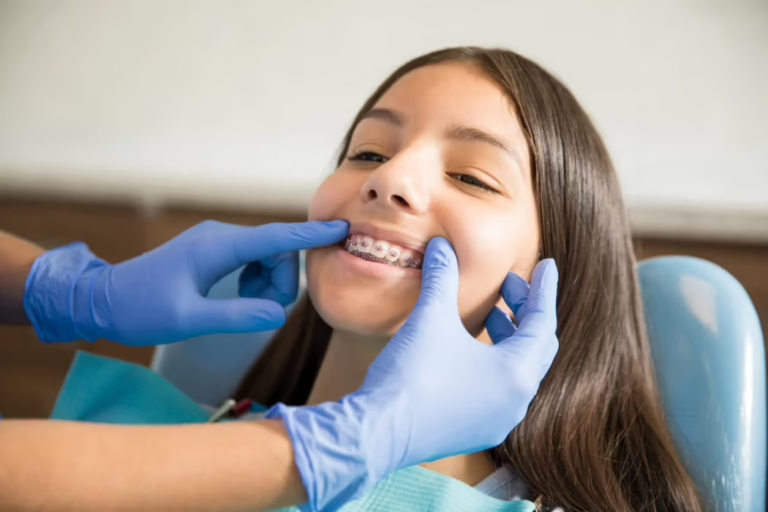
The process of placing braces generally involves cleaning and preparing the teeth, bonding brackets to selected tooth surfaces, and connecting them with an orthodontic wire. The orthodontic team may also add other components depending on the treatment plan.
Getting braces placed is usually more unusual than painful. You may notice pressure, stretching of the lips and cheeks, or the feeling of keeping your mouth open while the brackets are positioned.
After the braces are in place, the orthodontic team will explain how to care for them. This may include instructions about brushing, flossing, foods to avoid, orthodontic wax, and any other appliances involved in your treatment.
Because each patient’s braces may be configured differently, follow the specific instructions given by Lake Travis Orthodontics rather than relying only on advice from friends or family members who have had orthodontic treatment.
Will Braces Hurt on the First Day?
Many patients experience tenderness or pressure after braces are placed, but the sensation varies from person to person. The teeth may feel sensitive when chewing, and the lips or cheeks may need time to adjust to the brackets.
This initial tenderness usually happens because your teeth are beginning to respond to orthodontic forces. It does not mean something is wrong with your treatment.
Soft foods can make eating more comfortable during the adjustment period. Orthodontic wax can also be helpful if a bracket or wire rubs against the inside of the cheek.
If pain is severe, unusual, or accompanied by significant swelling or another concerning symptom, contact the orthodontic office for guidance rather than assuming it is a normal part of treatment.
What Should You Eat After Getting Braces?
Food choices can make a noticeable difference during the first few days with braces. Because teeth may feel tender, many patients prefer foods that require less chewing.
Good first-day options can include:
- Yogurt
- Scrambled eggs
- Soup that is not too hot
- Pasta
- Mashed potatoes
- Soft rice dishes
- Smoothies
- Bananas
- Applesauce
- Soft cooked vegetables
- Oatmeal
- Cottage cheese
As tenderness decreases, most patients gradually return to a wider range of foods. However, certain foods should still be avoided because they can damage brackets or wires.
What Foods Should You Avoid With Braces?
Hard, sticky, and excessively chewy foods can place unnecessary stress on orthodontic appliances. A broken bracket may interrupt treatment and require an additional repair visit.
Patients are commonly advised to avoid foods such as:
- Hard candy
- Sticky caramel
- Chewing gum if your orthodontist advises against it
- Ice chewing
- Hard nuts
- Popcorn kernels
- Very crunchy snacks
- Sticky candy
Some foods do not need to be eliminated completely but should be prepared differently. For example, apples and raw carrots may be easier on braces when cut into smaller pieces rather than bitten directly with the front teeth.
Your orthodontic team can provide more specific food guidance based on your appliances.
Benefits of Braces in Bee Cave
Braces are designed to guide teeth gradually into improved positions while helping the orthodontist coordinate the bite. Depending on the individual treatment plan, braces may provide several benefits:
- Improved tooth alignment: Braces can move crowded, rotated, or uneven teeth into more organized positions.
- Better bite coordination: Treatment can address how the upper and lower teeth fit together.
- Precise control: Fixed brackets and wires allow the orthodontist to make detailed adjustments throughout treatment.
- Versatility: Braces can be used for many types of orthodontic concerns, including crowding, spacing, crossbites, overbites, underbites, and other bite relationships.
- No need to remember daily tray wear: Because braces remain attached to the teeth, patients do not need to remove and replace an appliance throughout the day.
- Support for long-term alignment: After active treatment, a personalized retainer plan helps maintain the positions achieved with braces.
How Do You Brush Your Teeth With Braces?
Brushing becomes especially important when you have braces because food and plaque can collect around brackets and wires. Patients should take extra time to clean around the gumline, above and below the brackets, and along all visible tooth surfaces.
A soft-bristled toothbrush can be used to clean around orthodontic appliances. Some patients also find electric toothbrushes convenient, as long as they use them carefully and according to their orthodontist’s recommendations.
Try to brush after meals when practical. If you cannot brush immediately, rinsing with water can help remove loose food particles until you are able to clean more thoroughly.
Your orthodontic team may also recommend interdental brushes or other tools for reaching areas that are difficult to clean with a standard toothbrush.
How Do You Floss With Braces?
Flossing with braces can take a little more time because the archwire sits in front of the teeth. However, cleaning between the teeth remains important throughout orthodontic treatment.
A floss threader can help guide floss underneath the archwire. Some patients may also use other orthodontic cleaning tools recommended by their dental or orthodontic team.
The technique may feel slow at first, but it usually becomes easier with practice. Building the habit early can make braces care much more manageable over the months ahead.
Remember that orthodontic visits do not replace regular dental cleanings and checkups. Your dentist continues to monitor routine oral health while your orthodontist focuses on tooth movement and bite correction.
What Is Orthodontic Wax and When Should You Use It?
Orthodontic wax is a soft material that can be placed over a bracket or wire that is irritating the lips or cheeks. It acts as a temporary protective barrier while the mouth adjusts or until an appliance issue can be evaluated.
To use wax, follow the instructions provided by your orthodontic team. In many cases, drying the bracket first helps the wax adhere more effectively.
It is common for the inside of the mouth to need a short adjustment period when braces are first placed. As the cheeks and lips become accustomed to the brackets, irritation often becomes less noticeable.
However, wax should not be used indefinitely to cover a broken appliance. If a wire is sharply poking or a bracket has come loose, contact Lake Travis Orthodontics for guidance.
What Should You Keep in a Braces Care Kit?
A small braces kit can make the first weeks of treatment easier, especially for students or adults who spend much of the day away from home.
Useful items may include:
- A travel toothbrush
- Toothpaste
- Orthodontic wax
- Floss or flossing tools
- Interdental brushes
- A small mirror
- Extra orthodon