You finished braces or clear aligner treatment years ago, enjoyed having straighter teeth, and then gradually noticed something changing. Perhaps one lower front tooth started turning. Maybe a small gap returned, or your bite no longer feels quite the way you remember. Teeth shifting after orthodontic treatment is known as orthodontic relapse, and it can happen even to people who once had an excellent treatment result.
The good news is that noticing movement does not automatically mean you have to repeat your original orthodontic experience. At Lake Travis Orthodontics, adult orthodontics in Bee Cave can include evaluation and treatment for teeth that have shifted after previous braces or clear aligners. Depending on how much movement has occurred, orthodontic relapse treatment may range from a new retainer strategy to limited clear aligner treatment or more comprehensive orthodontic correction.
What Is Orthodontic Relapse?
Orthodontic relapse occurs when teeth move away from the positions achieved during previous orthodontic treatment. Sometimes the movement is small and affects only a few teeth. In other cases, crowding, spacing, or bite concerns may gradually become more noticeable.
Relapse can happen months or years after treatment. In fact, teeth are not permanently locked into place once braces come off. The tissues around the teeth continue to adapt, and natural forces in the mouth can influence tooth position throughout life.
This is one reason orthodontists recommend retention after active treatment. Retainers help support the new positions of the teeth after braces or clear aligners have finished doing their work.
Why Do Teeth Shift After Braces?
There are several reasons teeth may move after orthodontic treatment. One of the most common is inconsistent retainer wear. When a retainer is not worn according to instructions, teeth may gradually drift toward previous positions.
However, relapse is not always caused by one simple mistake. Teeth can change position naturally over time, even in people who completed orthodontic treatment many years ago. Aging, changes in the bite, dental work, tooth loss, gum and bone changes, and other forces can influence alignment.
The lower front teeth are an area where patients often notice changes because small shifts can quickly make the teeth look crowded or uneven. Meanwhile, other patients may notice a space opening between teeth or a previously corrected rotation beginning to return.
Because different causes can produce similar-looking changes, an orthodontic evaluation is useful before deciding what to do.
Does a Tight Retainer Mean Your Teeth Have Shifted?
A retainer that suddenly feels tighter than usual may be a sign that the teeth have moved slightly. If the retainer still seats completely and the change is minor, the orthodontist may recommend a particular wear schedule after evaluating the situation.
However, patients should not force a retainer that no longer fits properly. A retainer that cannot fully seat over the teeth may indicate that too much movement has occurred for the appliance to function as originally intended.
Forcing an old retainer into place can also create unwanted pressure. Instead, bring the appliance with you to an orthodontic consultation. The orthodontist can examine both the current tooth positions and the retainer to determine whether a new appliance or active orthodontic treatment would be more appropriate.
Lake Travis Orthodontics provides Essix retainers in Bee Cave for patients who need a clear removable option to help maintain orthodontic alignment.
Can a Retainer Move Teeth Back Into Place?
A retainer is primarily designed to maintain tooth position, not to provide comprehensive active orthodontic treatment. However, when movement is extremely minor, an orthodontist may determine that a retainer can help manage the situation.
Once teeth have moved more significantly, a retainer usually cannot replace braces or clear aligners. Active orthodontic appliances are designed to create controlled tooth movement, while retainers are generally intended to preserve the position achieved after that movement is complete.
This difference is important because patients sometimes try wearing an old retainer more aggressively after noticing relapse. An orthodontic evaluation can help determine whether the situation still falls within the range of retention or whether retreatment is the safer and more predictable approach.
How Much Orthodontic Relapse Is Considered Significant?
There is no single amount of movement that determines whether orthodontic retreatment is necessary. A small rotation may be noticeable to one patient but cause no meaningful bite concern. Meanwhile, another seemingly minor shift may affect how certain teeth contact each other.
An orthodontist considers several factors, including how far the teeth have moved, whether the bite has changed, the position of tooth roots, the health of the teeth and gums, and the patient’s goals.
For some patients, the main concern is restoring straighter front teeth. Others have experienced changes in crowding, spacing, overbite, crossbite, or another bite relationship. Therefore, orthodontic relapse treatment should be based on the current condition of the entire bite rather than simply comparing old and new smile photographs.
Benefits of Orthodontic Relapse Treatment in Bee Cave
When teeth have shifted enough to justify treatment, correcting orthodontic relapse can offer several advantages:
- Improved tooth alignment: Retreatment can guide rotated, crowded, or displaced teeth toward more organized positions.
- Better bite coordination: When relapse affects how upper and lower teeth meet, orthodontic treatment can address the bite as well as visible alignment.
- Easier oral hygiene: Correcting overlapping teeth may make brushing and flossing certain areas more manageable.
- Preservation of previous orthodontic progress: Addressing movement before it becomes more extensive may help restore the alignment achieved during earlier treatment.
- Flexible treatment options: Depending on the amount of relapse, adults may be candidates for clear aligners, braces, or a more limited treatment plan.
- A new retention strategy: After retreatment, patients can receive updated instructions designed to help maintain the corrected positions over time.
Can Clear Aligners Correct Teeth That Shifted After Braces?
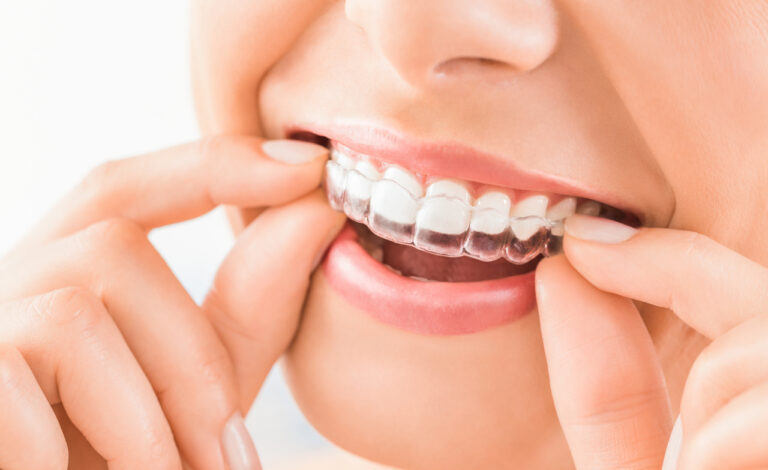
Clear aligners can be an attractive option for many adults experiencing mild or moderate orthodontic relapse. Because treatment is digitally planned, a series of aligners can guide selected teeth through controlled movements without requiring traditional brackets on every tooth.
Lake Travis Orthodontics offers clear aligners in Bee Cave for appropriate patients. Whether clear aligners are suitable depends on which teeth have moved, how much correction is needed, and whether the bite has also changed.
Some relapse cases may appear simple from the front but require more detailed correction than expected. For example, a tooth that has rotated may also need root movement. Similarly, lower front crowding may be connected to changes elsewhere in the dental arch.
Clear aligner treatment may include attachments placed on selected teeth to improve control. Patients also need to wear the trays consistently because leaving them out too often can interfere with the planned tooth movement.
When Might Braces Be Better for Orthodontic Relapse?
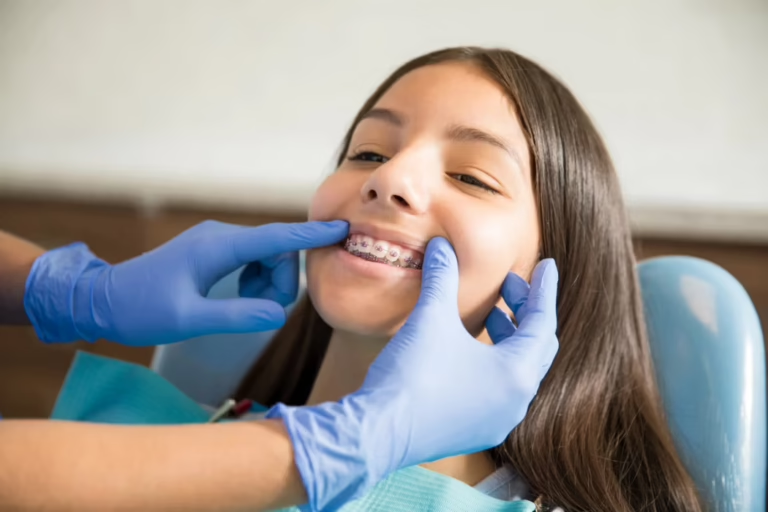
Braces may be recommended when relapse is more extensive or when the orthodontist needs precise control of several teeth at the same time. Fixed appliances remain attached throughout treatment, allowing brackets and wires to continuously guide the teeth.
Lake Travis Orthodontics offers braces in Bee Cave as well as self-ligating orthodontic options. Braces may be especially useful when tooth rotations, larger bite changes, significant crowding, or several coordinated movements are needed.
That does not mean everyone with orthodontic relapse needs full braces again. In some cases, the retreatment plan may be more limited than the patient’s original orthodontic treatment because only certain movements need to be corrected.
The most useful approach is to compare treatment methods based on the actual movements required rather than automatically choosing the same appliance used the first time.
Can Orthodontic Relapse Affect Your Bite?
Yes. Teeth do not function independently, so movement in one area can sometimes influence how the upper and lower arches fit together. A patient may notice that certain teeth contact sooner than others, that the bite feels slightly different, or that a previously corrected relationship has changed.
However, not every small shift creates a significant functional problem. This is another reason an orthodontic evaluation is more useful than trying to judge relapse solely from appearance.
The orthodontist can examine tooth contact, alignment, arch relationships, and other factors to determine whether the relapse is mainly cosmetic, functional, or a combination of both.
Why Do Lower Front Teeth Often Become Crowded Again?
Lower front teeth are a common area of concern for adults who previously had braces. Even small changes can cause noticeable rotations or overlapping because the teeth are relatively narrow and closely positioned.
Natural changes throughout adulthood can also affect the dental arches. Therefore, someone who had straight lower teeth at the end of teenage orthodontic treatment may notice gradual changes years later.
Long-term retainer use can help maintain alignment, but the specific retention plan varies by patient. If lower crowding has already developed, the orthodontist can determine whether a new retainer is enough or whether active tooth movement is needed first.
What If You Stopped Wearing Your Retainer Years Ago?
Many adults who experience orthodontic relapse have not worn a retainer for several years. Sometimes the retainer was lost, damaged, outgrown, or gradually forgotten as life became busy.
If this describes your situation, you do not need to feel embarrassed about scheduling an orthodontic evaluation. The important question is what your teeth need now.
Bring your old retainer if you still have it, even if it no longer fits. It may provide useful information about your previous tooth positions or appliance design. However, do not force it onto teeth that have clearly shifted.
After evaluating the current alignment, the orthodontist can explain whether a new retainer can maintain the teeth as they are or whether correction should occur before a new retention appliance is made.
Can Adults Get Braces Again?
Yes. Adults who previously had braces can undergo orthodontic treatment again when their teeth and supporting tissues are healthy enough for movement. There is no rule that orthodontic treatment can only happen once.
In fact, adult orthodontic care often involves patients whose teeth have changed since earlier treatment. Some want to correct a small relapse, while others have developed new dental or bite concerns over many years.
A second treatment plan does not necessarily look like the first. Technology, available appliances, the patient’s dental condition, and the amount of movement needed may all be different. The orthodontist can design treatment around the patient’s current needs rather than repeating the previous experience.
How Long Does Orthodontic Relapse Treatment Take?
Treatment length depends on how much movement has occurred. A limited relapse affecting a small number of teeth may require less treatment than a case involving significant crowding or a changed bite.
The selected appliance also matters. Clear aligners rely on consistent wear, while braces require regular appointments and good appliance care. In addition, teeth vary in how they respond to orthodontic forces.
For these reasons, online estimates can only provide broad generalities. An orthodontist can provide a more meaningful timeline after examining the teeth and determining which movements need to occur.
What Happens at an Orthodontic Relapse Consultation?
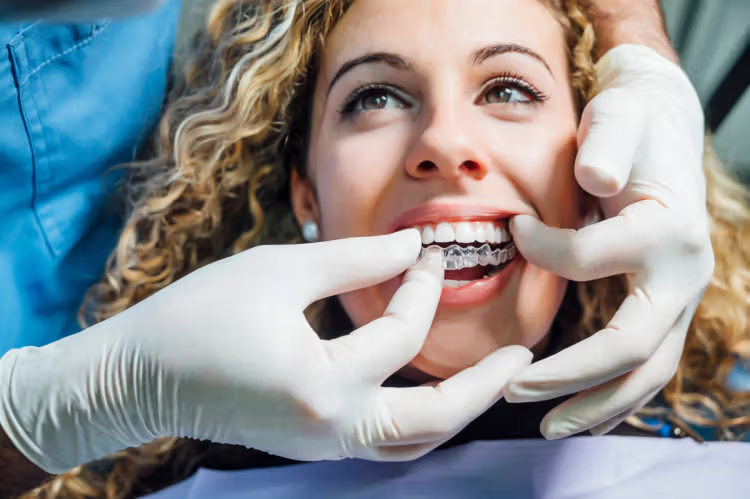
The first step is evaluating your current tooth positions and bite. The orthodontist may ask when your original treatment was completed, what type of retainer you received, how often it was worn, and when you first noticed movement.
Photographs, digital scans, or imaging may be recommended when appropriate. These records help show more than visible crowding. They allow the orthodontist to evaluate tooth positions, bite relationships, and other details needed for treatment planning.
After the examination, you can discuss whether treatment is necessary and what options are available. Patients can ask about clear aligners, braces, treatment time, cost, retention, and whether a limited approach may be possible.
If it has been a long time since your last orthodontic appointment, you can also review what to expect during your first visit to Lake Travis Orthodontics.
Will You Need a Retainer Again After Retreatment?
Yes, retention is an important part of protecting the results of orthodontic relapse treatment. If teeth have shifted once, maintaining the corrected positions becomes especially important.
Your orthodontist will recommend the type of retainer and wear schedule appropriate for your treatment. Some patients may use clear removable retainers, while other retention approaches may be discussed depending on the case.
The key is consistency. Retainers only help maintain tooth position when they are worn as instructed and remain in good condition.
If a retainer cracks, becomes distorted, is lost, or suddenly stops fitting correctly, contact the orthodontic office rather than waiting for noticeable movement. Replacing a damaged retainer promptly may help protect the positions achieved through treatment.
How Can You Reduce the Chance of Future Orthodontic Relapse?
Following your personalized retention plan is the most important step. Make retainer wear part of a predictable routine so it is easier to remember. Clean the appliance according to instructions, store it in its case when it is not being worn, and protect it from heat or damage.
Regular dental visits are also important because healthy teeth and supporting tissues are part of maintaining long-term orthodontic results. In addition, tell your orthodontist if you notice changes in retainer fit or tooth position.
Small changes are often easier to evaluate before they become more noticeable. Paying attention to how your retainer fits can provide an early clue that movement may be occurring.
Common Questions About Orthodontic Relapse
Why did my teeth move after braces?
Teeth can shift because retainers were not worn consistently, because of natural changes that occur over time, or because other dental and bite factors have changed. An orthodontic evaluation can help determine how much movement has occurred.
Do I need braces again if my teeth shifted?
Not necessarily. Mild orthodontic relapse may sometimes be managed with clear aligners, limited treatment, or a new retention strategy. More substantial movement may require braces or comprehensive orthodontic correction.
Can I force my old retainer back onto my teeth?
You should not force a retainer that no longer fits properly. Bring it to your orthodontic appointment so the doctor can evaluate the tooth movement and determine whether the appliance is still appropriate.
Can clear aligners fix orthodontic relapse?
Clear aligners can correct many mild to moderate relapse cases when the required tooth movements are suitable for aligner treatment. The orthodontist will evaluate both alignment and bite before recommending treatment.
How can I keep my teeth from shifting again?
Wear your retainer according to your orthodontist’s instructions, keep the appliance in good condition, and contact the office if the fit changes. Long-term retention is an important part of maintaining orthodontic alignment.
Restore the Alignment You Worked for
Seeing teeth shift after braces or clear aligners can be frustrating, but orthodontic relapse does not mean your earlier treatment was wasted. In many cases, modern orthodontic treatment can address the movement with a plan based on how your teeth and bite look today. The amount of correction needed may be very different from your original treatment.
If your teeth have shifted since braces or clear aligner treatment, call Lake Travis Orthodontics at (512) 402-1501 or visit 12500 Bee Caves Rd, Bee Cave, TX 78738 to Schedule a Consultation for orthodontic relapse treatment in Bee Cave.