
Types of braces for kids in Lake Travis include traditional metal braces, clear braces, Invisalign, and self-ligating braces. As a parent in the Lake Travis area, finding the right orthodontic solution for your child’s unique dental needs is crucial for their long-term oral health. At Lake Travis Orthodontics, we understand that navigating the different options can feel overwhelming, which is why we’ve created this comprehensive guide to help you make an informed decision. Orthodontic treatment during childhood not only improves your child’s smile but also addresses functional issues that could cause problems later in life.
What Types of Braces Are Available for Kids?
Different types of braces offer varying benefits for children based on their specific orthodontic needs, lifestyle, and preferences. Each option provides effective treatment while addressing different priorities such as visibility, comfort, and maintenance.
What Are Traditional Metal Braces?
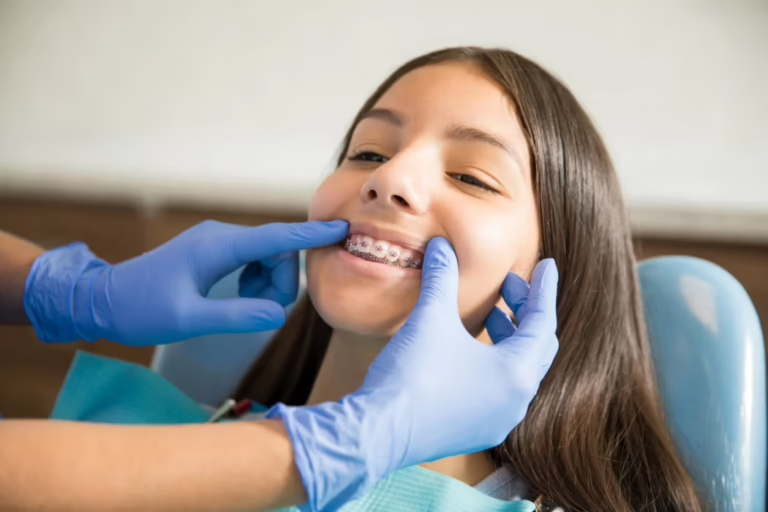
Traditional metal braces consist of stainless steel brackets and wires that apply consistent pressure to move teeth into proper alignment. These braces represent the most common orthodontic treatment for children in Lake Travis due to their durability and effectiveness for complex alignment issues. Metal braces have significantly improved over the years, becoming smaller and more comfortable than previous generations.
Benefits of metal braces include:
- Maximum durability for active children
- Ability to treat virtually all orthodontic problems
- Often the most cost-effective option
- Customizable with colored bands that kids enjoy
- No compliance issues since they cannot be removed
Most children adapt quickly to metal braces, and they remain the gold standard for treating severe misalignments, especially in growing children.
What Are Clear Braces?
Clear braces function similarly to metal braces but feature transparent or tooth-colored brackets that blend with the natural tooth color. These ceramic brackets provide a less noticeable treatment option while delivering the same effective results as traditional braces. Clear braces offer an excellent compromise between the reliability of fixed braces and improved aesthetics.
Key features of clear braces:
- Less visible than metal braces
- Same treatment capabilities as traditional braces
- Slightly more fragile than metal options
- Popular with image-conscious pre-teens and teenagers
- Fixed appliance that doesn’t rely on patient compliance
Parents in Lake Travis often choose clear braces for older children and teens who may feel self-conscious about wearing metal braces but still need the effectiveness of fixed appliances.
What Is Invisalign for Kids?
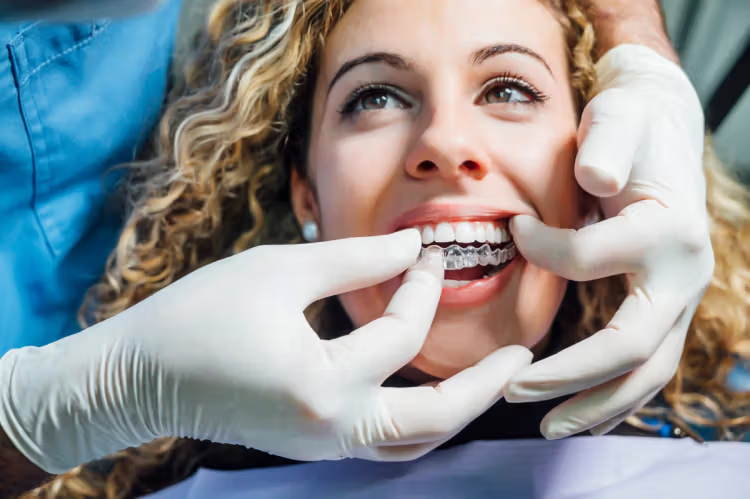
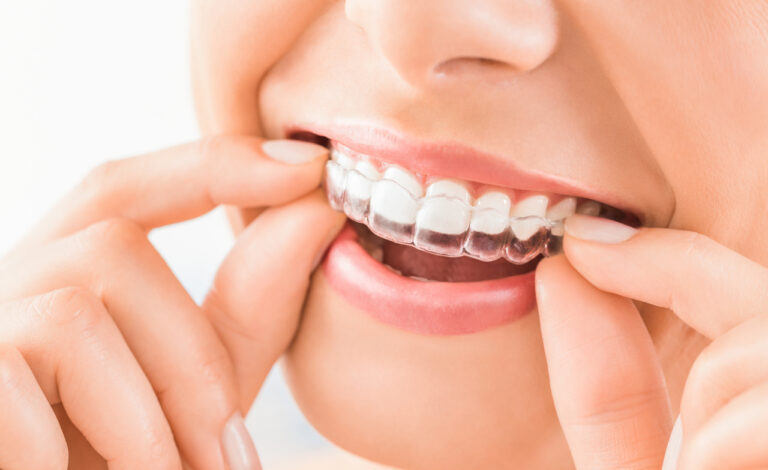
Invisalign Teen uses a series of clear, removable aligners to gradually straighten teeth without brackets or wires. This innovative clear aligner system in Bee Cave has become increasingly popular in Lake Travis for treating mild to moderate orthodontic issues in responsible children and teenagers. The aligners are custom-designed using 3D computer imaging technology to ensure precise, predictable tooth movement.
Advantages of Invisalign for kids include:
- Nearly invisible treatment
- Removable for eating, brushing, and special occasions
- No food restrictions
- Fewer emergency appointments for broken appliances
- Comfortable with no brackets or wires to cause irritation
Invisalign requires responsible wear (20-22 hours daily) to be effective, making it best suited for disciplined children who will follow treatment protocols consistently.
What Are Self-Ligating Braces?
Self-ligating braces use a built-in clip to hold the archwire in each bracket. Lake Travis Orthodontics offers self-ligating metal brackets and self-ligating clear brackets.
Dr. Tostado recommends an appliance based on the movements required, your child’s oral health, and their care needs. Treatment length, comfort, and appointment frequency depend on the individual plan.
How Do Braces Work?
Braces work by applying consistent, gentle pressure to teeth over time, gradually moving them into proper alignment. Understanding the mechanics behind different braces systems helps parents make informed decisions about their child’s orthodontic treatment.
How Effective Are Each Type for Different Dental Issues?
The right appliance depends on the tooth movements needed, jaw relationships, oral health, and your child’s ability to follow the treatment routine.
Fixed braces and clear aligners can address a range of alignment and bite concerns. Dr. Tostado will explain the appropriate options after an examination, including when a combined or coordinated approach may be helpful.
At What Age Should My Child Get Braces?
The ideal age for braces varies depending on your child’s specific dental development and orthodontic issues. Early evaluation allows for timely intervention and potentially simpler treatment.
What Are the Signs My Child Needs Braces?
Several signs indicate that your child might benefit from orthodontic treatment. Recognizing these early warning signals helps parents seek timely intervention.
Common indicators include:
- Difficulty chewing or biting
- Early or late loss of baby teeth
- Mouth breathing
- Thumb sucking beyond age 5
- Crowded, misplaced, or blocked-out teeth
- Jaws that shift, make sounds, protrude, or are recessed
- Frequent biting of the cheek or roof of the mouth
- Teeth that meet abnormally or not at all
- Facial imbalance or asymmetry
If you notice any of these signs in your child, scheduling an evaluation with an orthodontist in Lake Travis can help determine if and when treatment might be necessary.
Can You Get Braces at Any Age?
Orthodontic treatment can begin at various ages, but certain developmental stages offer optimal opportunities for specific corrections. While adults can certainly benefit from braces, treating children during their growth periods often yields more predictable results.
Age considerations for different treatments:
- Early intervention (Phase 1): Ages 6-10 for specific problems like crossbites or severe crowding
- Comprehensive treatment (Phase 2): Typically ages 11-13 when most permanent teeth have erupted
- Teen treatment: Any time during teenage years, with cosmetic options like Invisalign or clear braces often preferred
The flexibility of treatment timing means parents in Lake Travis can work with their orthodontist to determine the most appropriate approach based on their child’s development and specific needs.
What Is the Ideal Age for Different Types of Braces?
Timing depends on dental and jaw development and the concern being addressed. A first orthodontic checkup by age seven can help identify whether monitoring or treatment is appropriate.
Metal or clear self-ligating brackets and removable aligners each require suitable case selection and a consistent care routine. Dr. Tostado will explain the timing and options relevant to your child.
How Long Do Braces Take?
Treatment duration varies significantly based on the complexity of the case, type of braces used, and patient compliance. Understanding typical timeframes helps families prepare for the orthodontic journey.
How Long Is the Average Treatment Time?
The average treatment time for braces ranges from 18 to 24 months, though this varies widely depending on individual factors. Most children in Lake Travis complete their orthodontic treatment within this timeframe, though some cases may be shorter or longer.
Typical treatment durations:
- Treatment fees and payment arrangements are individual. Ask our team for a current estimate, available payment options, and the terms that apply to your plan.
- Moderate complexity: 18-24 months
- Complex cases involving bite correction: 24-30 months
Your orthodontist will provide a personalized estimate after thoroughly evaluating your child’s specific needs and developing a treatment plan.
What Factors Affect How Long My Child Will Need Braces?
Multiple factors influence the duration of orthodontic treatment, many of which are specific to each child’s situation.
Key factors affecting treatment time:
- Severity and complexity of the orthodontic issues
- Age of the patient and growth patterns
- Compliance with orthodontist’s instructions
- Regular attendance at adjustment appointments
- Proper appliance maintenance and care
- Biological factors affecting tooth movement
- Type of braces system used
Children who follow their orthodontist’s instructions carefully, including wearing rubber bands as directed and avoiding foods that could damage braces, often complete treatment more efficiently.
How Much Do Braces Cost in Lake Travis?
The cost of orthodontic treatment in Lake Travis varies based on several factors, including the type of braces chosen and the complexity of treatment required. Understanding these costs helps families plan financially for this important investment.
What Is the Price Range for Different Types of Braces?
Orthodontic treatment prices in Lake Travis reflect both the type of appliance used and the complexity of the treatment plan. Costs typically include all aspects of care, from initial records to retention.
Average price ranges in Lake Travis:
- Metal braces : Request an individual estimate and discuss the options appropriate for your case.
- Clear braces : Request an individual estimate and discuss the options appropriate for your case.
- Invisalign : Request an individual estimate and discuss the options appropriate for your case.
- self-ligating braces : Request an individual estimate and discuss the options appropriate for your case.
These ranges represent comprehensive treatment, including all appointments, adjustments, and initial retainers. Early phase treatments or limited treatments for minor issues may cost less.
Does Insurance Cover Braces for Kids in Lake Travis?
Many dental insurance plans offer partial coverage for orthodontic treatment, particularly for children under 18. Coverage rates and limitations vary significantly between policies.
Insurance considerations:
- Most orthodontic insurance covers 25-50% of treatment costs up to a lifetime maximum
- Some plans cover only “medically necessary” treatment, not cosmetic improvements
- Many plans have waiting periods before orthodontic benefits become available
- Coverage is typically available regardless of which type of braces you choose
The financial coordinators at Lake Travis Orthodontics can help verify your insurance benefits and explain exactly what portion of treatment your plan will cover.
What Payment Plans Are Available for Orthodontic Treatment?
Most orthodontic practices in Lake Travis offer flexible payment options to make treatment more accessible for families.
Common payment arrangements:
- No-interest in-house financing with monthly payments throughout treatment
- Discount for payment in full at treatment start
- Third-party financing options like CareCredit
- Use of FSA or HSA funds
- Family discounts for multiple patients
These options allow families to distribute the cost of treatment over time, making braces more affordable without compromising on quality of care.
How Do I Choose the Right Type of Braces for My Child in Lake Travis?
Selecting the appropriate braces system involves considering multiple factors beyond just appearance. The right choice balances effectiveness, lifestyle considerations, and your child’s unique needs.
What Factors Should I Consider When Selecting Braces?
Several key considerations should guide your decision when choosing between different orthodontic options for your child.
Important factors to evaluate:
- Severity and type of orthodontic issues
- Your child’s age and maturity level
- Aesthetic preferences
- Lifestyle and activities (sports, playing wind instruments, etc.)
- Oral hygiene habits and ability to maintain appliances
- Budget and insurance coverage
- Treatment time expectations
Weighing these factors carefully, in consultation with your orthodontist, leads to the most appropriate choice for your child’s specific situation.
Which Type of Braces Is Best for Active Kids?
Children involved in sports, performing arts, or other physical activities have special considerations when selecting an orthodontic system.
Recommendations for active children:
- Contact sports participants: Traditional metal braces with proper mouthguards offer durability
- Wind instrument players: Consider Invisalign, which can be removed during practice and performances
- Swimmers: All types work well, though chlorine exposure may discolor elastic ties on traditional braces
- Martial arts: self-ligating or metal braces with protective mouthguards provide necessary protection
For highly active children in Lake Travis, durability and protection become particularly important factors in the decision-making process.
What Questions Should I Ask My Lake Travis Orthodontist?
Preparing specific questions helps ensure you gather all necessary information during consultation appointments.
Key questions to ask:
- Which type of braces would be most effective for my child’s specific orthodontic issues?
- What are the pros and cons of each option for our particular situation?
- How often will we need to schedule appointments?
- What is your experience with each treatment system?
- What is the total cost difference between options?
- Are there any age-specific considerations we should keep in mind?
- What happens if problems arise during treatment?
These questions facilitate a thorough discussion with your orthodontist, helping you make the most informed decision for your child’s orthodontic care.
Frequently Asked Questions (FAQs)
Which Type of Braces Is Less Painful?
Some temporary tenderness can occur with braces or clear aligners, especially when treatment begins or adjustments are made. Comfort varies by person and by the movements being planned. Tell your orthodontic team about persistent or unusually severe discomfort.
Do Braces Work Faster on Kids?
Braces generally work more efficiently on children and adolescents than on adults due to their still-developing jawbones and higher cellular turnover rates. Children’s more malleable bone structure allows teeth to move more readily in response to orthodontic forces. Additionally, growth spurts during puberty can be leveraged to address certain jaw alignment issues more effectively. This biological advantage often translates to shorter treatment times and potentially more predictable results for younger patients, especially when addressing growth-related problems like jaw discrepancies.
What Are Grade 3 Braces?
Grade 3 braces refer to a classification on the Index of Orthodontic Treatment Need (IOTN), which measures the severity of malocclusion and need for treatment. A Grade 3 classification indicates a moderate need for orthodontic intervention, typically involving issues like moderate crowding or spacing (2-4mm), deepbites without gingival contact, reverse crossbites with 1-2mm discrepancies, or moderate overbites (3-4mm). Many dental insurance plans use this grading system to determine coverage eligibility, with Grade 3 often qualifying for partial coverage since it represents legitimate orthodontic needs rather than purely cosmetic concerns.
Conclusion
In this guide, we’ve explored the four main types of braces available for kids in Lake Travis, traditional metal braces, clear ceramic braces, Invisalign aligners, and self-ligating braces. Each option offers specific advantages depending on your child’s orthodontic needs, lifestyle, and personal preferences. We’ve covered how these different systems work, their average treatment times, appropriate ages for treatment, cost considerations specific to the Lake Travis area, and important factors to help you make this important decision.
Orthodontic treatment is more than just straightening teeth; it’s an investment in your child’s long-term oral health, proper jaw function, and confident smile. The right choice balances effective treatment with consideration for your child’s comfort, daily activities, and unique personality. Once treatment is complete, custom Essix retainers will help maintain your child’s newly aligned smile for years to come.
If you’re ready to explore which type of braces would best suit your child’s needs, schedule an orthodontic consultation in Lake Travis at our specialized office. Our Lake Travis office specializes in pediatric and teen orthodontics, offering all treatment options discussed in this guide. During your visit, our orthodontist will perform a comprehensive evaluation, discuss your specific concerns, and create a customized treatment plan tailored to your child’s unique dental situation.
Don’t wait to give your child the foundation for a lifetime of healthy smiles. Call our Lake Travis office at 512-402-1501 or use our online scheduling tool to book your child’s orthodontic consultation today.