If you are considering clear aligners, you may already know that Invisalign is not the only option available. Patients today can choose from several doctor-supervised clear aligner systems, including Angel Aligner and Spark Aligners. That naturally raises an important question: how do you know which clear aligner system is right for your smile?
At Lake Travis Orthodontics, Angel Aligner in Bee Cave is the practice’s primary clear aligner system, with Spark Aligners also offered as a preferred option. Rather than choosing an aligner brand based only on advertising or name recognition, Dr. Alberto Tostado evaluates your teeth, bite, treatment goals, and planned tooth movements before recommending the approach that makes the most sense for your case.
What Are Angel Aligner and Spark Aligners?
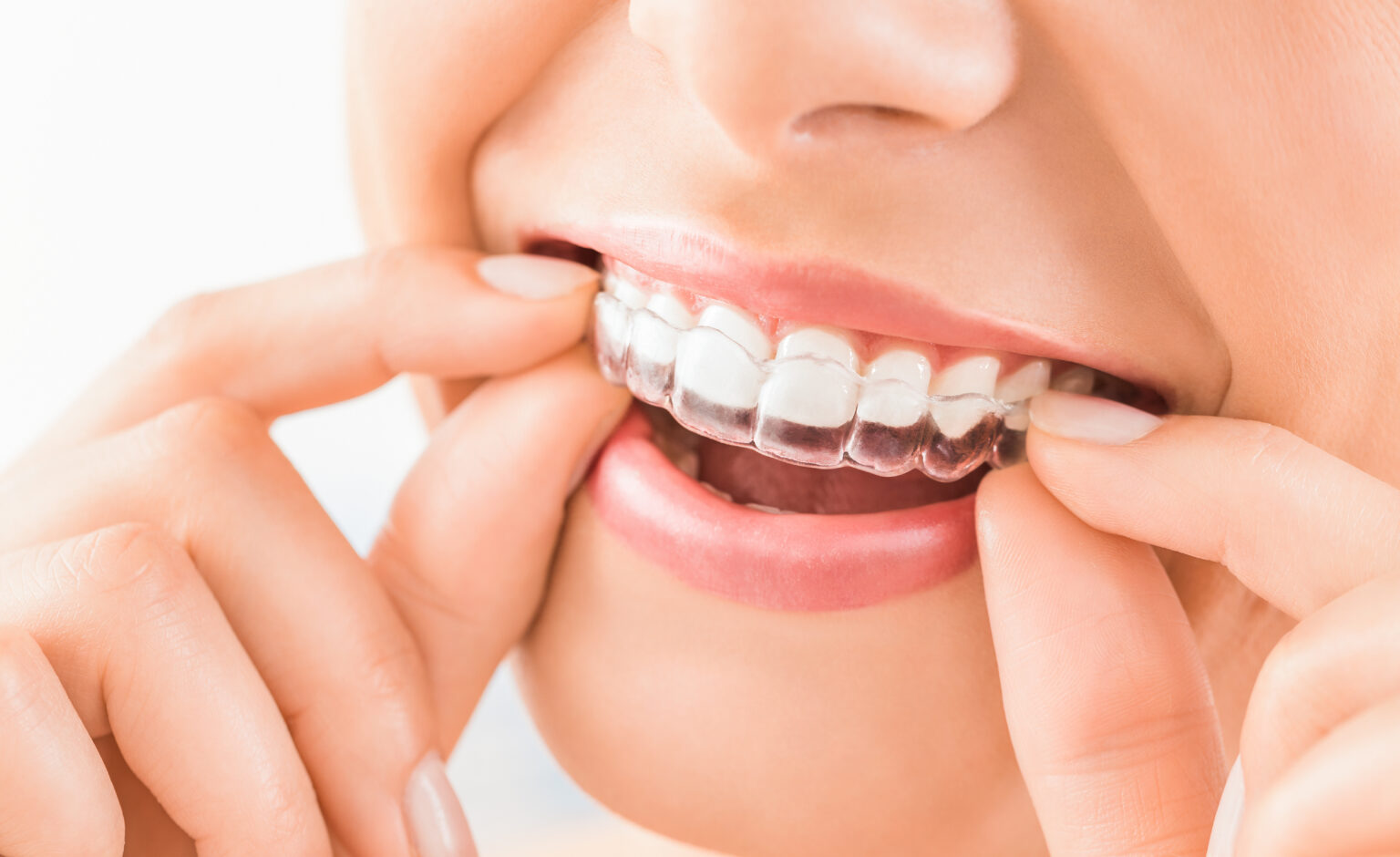
Angel Aligner and Spark are both clear aligner systems designed to gradually move teeth through a series of removable trays. Each set of aligners is created to guide the teeth through a planned stage of orthodontic movement.
Instead of brackets and wires remaining attached to the teeth, clear aligner patients wear custom trays for most of the day and remove them for meals, brushing, and flossing according to their orthodontist’s instructions.
Although the basic concept is similar between clear aligner systems, treatment is not simply a matter of receiving trays and changing them on your own. The orthodontist determines which movements need to occur, how those movements should be sequenced, whether attachments or elastics are required, and how frequently progress should be checked.
That makes the orthodontist’s treatment plan just as important as the name printed on the aligner package.
What Is Angel Aligner?
Angel Aligner is a clear aligner system that uses a series of custom removable trays to move teeth in stages. At Lake Travis Orthodontics, it is the primary clear aligner system used for suitable patients.
Your treatment begins with an orthodontic evaluation rather than simply selecting a tray system. Dr. Tostado evaluates your alignment and bite and determines whether clear aligners can accomplish the movements your smile requires.
If Angel Aligner is recommended, a custom treatment plan is developed. You then progress through a prescribed series of trays while returning to Lake Travis Orthodontics for progress checks.
The treatment may also include attachments or orthodontic elastics when additional control is necessary. These tools allow the orthodontist to address movements that may be more difficult for a smooth aligner alone.
What Are Spark Aligners?
Spark Aligners are another doctor-supervised clear aligner option offered by Lake Travis Orthodontics. Like Angel Aligner, Spark uses removable trays that gradually guide teeth toward planned positions.
Spark may be considered for patients whose orthodontic needs and treatment plan are suitable for that system. The decision is based on the type of movement required rather than simply which brand a patient has heard about most often.
Patients using Spark Aligners still need professional orthodontic planning, regular progress checks, consistent wear, and a retention plan after active treatment.
For patients interested in removable treatment in general, Lake Travis Orthodontics also provides information about clear aligners in Bee Cave and the types of alignment and bite concerns that may be treated.
Angel Aligner vs. Spark Aligners: Is One Better?
There is no universal answer that makes one clear aligner system better for every patient.
Your teeth do not know which logo is printed on the aligner package. What matters is whether the treatment system gives your orthodontist the tools needed to move your teeth safely and predictably toward the planned result.
One patient may have relatively simple spacing, while another has crowding combined with an overbite or crossbite. A teenager may have different treatment needs and daily habits than an adult preparing for restorative dental work.
For these reasons, Dr. Tostado can compare the available systems against your actual orthodontic needs and explain why one option may be preferred for your treatment.
What Can Clear Aligners Treat?
Clear aligner treatment can be used for a range of orthodontic concerns. Depending on the complexity of the case and the movements required, clear aligners may be considered for:
- Crowded teeth
- Spacing between teeth
- Overbite or deep bite
- Underbite
- Crossbite
- Open bite
- Rotated teeth
- Relapse after previous orthodontic treatment
- General alignment concerns
However, simply having one of these conditions does not guarantee that clear aligners are the best treatment option. The severity of the problem, tooth root positions, bite relationships, age, and other factors must be considered.
Some patients may receive a better recommendation for braces, while others may be excellent candidates for Angel Aligner or Spark.
Benefits of Angel Aligner and Spark Aligners
Both systems provide many of the practical advantages patients commonly associate with doctor-supervised clear aligner treatment. Depending on your individual plan, these benefits may include:
- Removable treatment: Aligners can be taken out for meals and oral hygiene according to your orthodontist’s instructions.
- A lower-profile appearance: Clear trays are less visually prominent than conventional metal brackets and wires.
- More flexibility with food: Because trays are removed for meals, patients do not have the same food restrictions associated with fixed braces.
- Easier brushing and flossing: Removing the aligners allows patients to clean their teeth without working around brackets and wires.
- Customized orthodontic planning: Each aligner sequence is designed around planned tooth movements rather than using a one-size-fits-all appliance.
- Options for teens and adults: Clear aligners may be appropriate for patients at different stages of life when their orthodontic needs are suitable.
- Professional supervision: Progress is monitored by an orthodontist who can evaluate fit, movement, and bite changes during treatment.
How Does the Orthodontist Decide Which System to Use?
The decision begins with diagnosis. Dr. Tostado evaluates where your teeth are now, where they need to move, and how the upper and lower arches fit together.
The orthodontist may consider factors such as:
- The amount of crowding or spacing
- Which teeth need rotation
- Whether vertical tooth movement is required
- The presence of an overbite, underbite, crossbite, or open bite
- Whether attachments will be needed
- Whether orthodontic elastics are part of the plan
- Your age and stage of dental development
- Your ability to wear removable aligners consistently
- Your previous orthodontic history
- Your overall treatment goals
Once these factors are understood, the orthodontist can determine whether Angel Aligner, Spark, braces, or another treatment approach offers the most appropriate path forward.
Do Angel Aligner and Spark Require Attachments?
They may. Clear aligner attachments are small tooth-colored shapes bonded to selected teeth. They give the aligner an additional surface to engage when more control is needed.
Attachments can help with movements such as tooth rotation, changes in angulation, and certain vertical movements. The number and location of attachments depend on the individual treatment plan.
One patient may have only a few attachments, while another may need them on several teeth. Their presence is determined by treatment mechanics rather than simply by the clear aligner brand being used.
If attachments are part of your plan, Lake Travis Orthodontics can explain why they are needed and how they work with your aligners.
Can You Use Rubber Bands With Clear Aligners?
Yes. Some patients need orthodontic elastics along with their clear aligners to help coordinate the relationship between the upper and lower teeth.
Small hooks, cutouts, buttons, or other features may be incorporated into the treatment so elastics can connect the upper and lower arches.
Elastics may be used when bite correction requires additional force beyond what the trays provide by themselves.
If rubber bands are prescribed, wearing them according to instructions is important. Consistency affects how the bite responds to treatment.
How Many Hours a Day Do You Wear Clear Aligners?
Clear aligners work because they apply controlled pressure for much of the day. Patients should follow the specific wear schedule provided by Lake Travis Orthodontics.
The trays are generally removed for eating, drinking beverages other than those approved by the orthodontist, brushing, and flossing.
Leaving aligners out for extended periods can interfere with planned tooth movement. A tray may begin feeling unusually tight, and future aligners may not fit correctly if treatment falls behind.
This is one of the biggest differences between clear aligners and fixed braces. Braces remain attached to the teeth, while aligners depend heavily on patient participation.
Are Angel Aligner or Spark Good Options for Teenagers?
Clear aligners can be a good option for some teenagers, particularly those who are motivated to wear and care for the trays consistently.
Teenagers appreciate being able to remove aligners for meals and oral hygiene. However, this flexibility also creates responsibility. Aligners can be misplaced, forgotten, or left out for too long.
For some teens, braces may provide a simpler approach because the appliance remains attached to the teeth. For others, clear aligners fit very well into school, sports, activities, and social routines.
Lake Travis Orthodontics offers teen orthodontics in Bee Cave, allowing families to compare braces and clear aligner options based on both treatment needs and daily habits.
Are Clear Aligners a Good Option for Adults?
Many adults prefer clear aligners because the appliances are removable and less visually noticeable than traditional braces.
Adults may seek orthodontic care for crowding that has developed over time, teeth that shifted after earlier treatment, bite concerns, or alignment before restorative dentistry.
Existing crowns, fillings, implants, missing teeth, or other dental work can affect treatment planning, but they do not automatically rule out orthodontics.
An adult orthodontic evaluation allows Dr. Tostado to determine whether clear aligners can produce the necessary movements and whether coordination with a general dentist or another dental provider may be helpful.
Can You Eat Normally With Angel Aligner or Spark?
One practical advantage of clear aligners is that the trays are removed for meals. This means patients usually do not have the same restrictions on hard or sticky foods that are associated with fixed braces.
However, aligners should be stored safely during meals rather than wrapped in a napkin or placed loose on a table. A protective case can reduce the chance of accidentally throwing them away or damaging them.
After eating, clean your teeth when practical before putting the trays back in. Food particles trapped beneath aligners can remain against tooth surfaces for extended periods.
Patients should also clean the aligners according to the instructions provided by their orthodontic team.
How Often Do You Visit the Orthodontist With Clear Aligners?
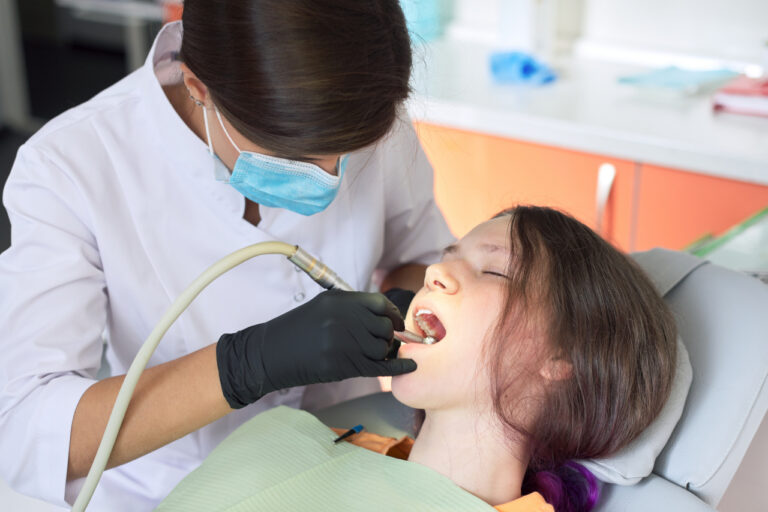
Clear aligner treatment still requires professional monitoring. Progress visits allow the orthodontist to check whether the trays are fitting correctly and whether the teeth and bite are responding according to the treatment plan.
At these appointments, the orthodontist may determine that treatment is progressing as expected or that an adjustment is needed.
Do not skip appointments simply because your next sets of trays are already available. Tooth movement needs to be evaluated clinically, not only by whether an aligner seems to fit.
What If an Aligner Is Lost or Damaged?
Contact Lake Travis Orthodontics if an Angel or Spark tray is lost, cracked, significantly distorted, or no longer fits correctly.
Do not automatically skip forward to the next aligner unless the orthodontic team instructs you to do so. Moving to a different stage before your teeth are ready could affect the planned sequence.
The office can tell you whether to continue wearing a previous tray, move forward, or obtain a replacement.
How Long Does Clear Aligner Treatment Take?
Treatment time depends much more on the orthodontic problem than on the name of the aligner system.
A patient correcting mild spacing may have a different timeline from someone treating significant crowding and a complex bite relationship. Treatment length can also be influenced by how teeth respond to movement and how consistently the aligners are worn.
During your consultation, Dr. Tostado can provide an estimate based on your actual treatment plan rather than a generic clear aligner timeline.
What Happens After Angel Aligner or Spark Treatment?
After your teeth reach their planned positions, orthodontic retention begins. Retainers help maintain the alignment created during active treatment.
Clear aligners are designed to move teeth, while retainers are designed to help hold teeth in place afterward.
Lake Travis Orthodontics offers Essix retainers in Bee Cave and can recommend a personalized wear schedule after treatment.
Following your retention plan is important regardless of whether you completed treatment with Angel Aligner, Spark, braces, or another orthodontic system.
What Questions Should You Ask During a Clear Aligner Consultation?
A consultation is a good opportunity to understand not only which aligner system is being recommended, but why. Consider asking questions such as:
- Am I a good candidate for clear aligners?
- Why are you recommending Angel Aligner or Spark for my case?
- What tooth movements will my treatment need to accomplish?
- Will I need attachments?
- Will I need orthodontic elastics?
- How often will I change trays?
- How often will I return for progress checks?
- What happens if an aligner is lost?
- How long is my treatment expected to take?
- What type of retainer will I need afterward?
These questions can help shift the conversation away from choosing a brand based only on marketing and toward understanding the actual orthodontic plan.
Common Questions About Angel Aligner vs. Spark Aligners
Does Lake Travis Orthodontics offer both Angel Aligner and Spark?
Yes. Lake Travis Orthodontics offers Angel Aligner as its primary clear aligner system, with Spark also available as a preferred clear aligner option for suitable patients.
Is Angel Aligner better than Spark?
There is no single aligner system that is best for every patient. Dr. Tostado evaluates your teeth, bite, planned movements, and treatment goals before recommending the most appropriate approach.
Can Angel Aligner and Spark treat crowded teeth?
Clear aligners can treat many cases of crowding when the required tooth movements are appropriate for removable orthodontic treatment. The severity of the crowding and overall bite must be evaluated first.
Can teenagers use Angel Aligner or Spark?
Some teenagers can be excellent clear aligner candidates. Successful treatment depends in part on whether the teen can wear, store, and care for removable trays consistently.
Do Angel Aligner and Spark require attachments?
Either system may involve attachments when additional tooth control is needed. The number and location of attachments depend on the patient’s individual treatment plan.
Do I need retainers after clear aligner treatment?
Yes. Retainers are typically used after active orthodontic treatment to help maintain the corrected tooth positions and reduce unwanted shifting.
Find the Clear Aligner Plan That Fits Your Smile
Choosing between Angel Aligner and Spark does not need to come down to guessing which brand sounds better. The more important question is which system supports the movements your teeth and bite actually require. A personalized orthodontic evaluation allows Dr. Tostado to compare your needs with the available clear aligner options and explain why a particular approach may be recommended.
If you are comparing Angel Aligner and Spark Aligners in Bee Cave, call Lake Travis Orthodontics at (512) 402-1501 or visit 12500 Bee Caves Rd, Bee Cave, TX 78738 to Schedule a Consultation and learn which clear aligner option may be appropriate for your smile.