
You finish orthodontic treatment, get into a routine with your retainer, and then one day it disappears. Maybe it was accidentally thrown away with a napkin, left behind while traveling, damaged by a pet, or cracked after months of regular wear. A lost or broken retainer can be frustrating, but what you do next matters because teeth can begin shifting when they are no longer being held in their planned positions.
Lake Travis Orthodontics provides Essix retainers and retainer replacement in Bee Cave for patients who need help maintaining their orthodontic results. If your retainer is missing, damaged, unusually tight, or no longer fits correctly, contacting the orthodontic office promptly can help determine whether you simply need a replacement or whether your teeth should be evaluated for movement first.
Why Are Retainers Important After Orthodontic Treatment?
Braces and clear aligners move teeth into planned positions, but finishing active treatment does not mean those positions are permanently fixed. Teeth remain capable of shifting throughout life.
A retainer helps maintain the alignment created during orthodontic treatment. It supports the teeth while the surrounding tissues adapt and continues helping preserve the result over the long term.
This is why orthodontic retention is considered part of treatment rather than an optional extra. Wearing a retainer consistently according to your orthodontist’s instructions can help reduce unwanted movement after braces or clear aligners.
When a retainer is suddenly lost or damaged, that routine is interrupted. The sooner you address the problem, the easier it may be to maintain the alignment you worked to achieve.
What Should You Do If You Lose Your Retainer?
If you cannot find your retainer after checking the obvious places, contact Lake Travis Orthodontics rather than waiting several weeks to see whether your teeth move.
Explain which retainer is missing, when you last wore it, and whether you have noticed any changes in your teeth. The orthodontic team can explain what should happen next.
Depending on your situation, a replacement may be made from an existing digital record or a new scan may be needed. If enough time has passed that your teeth have already shifted, an evaluation may be recommended before a new retainer is created.
The key is not to assume that losing a retainer is something that can wait indefinitely. Tooth movement can be subtle at first, particularly in the lower front teeth, and may become more noticeable over time.
How Quickly Can Teeth Shift Without a Retainer?
There is no single timeline that applies to every patient. Some people may notice tightness or small changes relatively quickly, while others may experience slower movement.
Several factors can influence how likely teeth are to shift, including how recently orthodontic treatment was completed, the original orthodontic problem, the positions of individual teeth, and how consistently the retainer had been worn.
Patients who recently finished braces or clear aligners may be especially concerned about interrupting their prescribed retention schedule because the teeth are still adapting to their new positions.
Rather than trying to calculate how many days you can safely go without a retainer, contact the orthodontic office once you know the appliance is truly missing.
What Should You Do If Your Retainer Cracks?
A small crack may seem harmless, but damage can affect how a retainer fits and functions. A crack can also grow with repeated insertion and removal.
If your retainer is cracked, contact Lake Travis Orthodontics and describe the damage. Depending on where the crack is located and how the appliance fits, replacement may be recommended.
Do not attempt to repair the retainer with household glue. Adhesives that are not intended for oral appliances may be unsafe, and a home repair can change the shape or fit of the retainer.
Similarly, avoid heating or reshaping the appliance yourself. Retainers are made to fit your teeth precisely, so even a small distortion can change the pressure applied to the teeth.
What If Your Retainer Breaks in Half?
A retainer that has broken into separate pieces should not be treated like a normal appliance. Stop trying to force the pieces into position and contact the orthodontic office for instructions.
If possible, keep the broken retainer and bring it with you if an appointment is scheduled. Seeing the appliance may help the orthodontic team understand what happened.
A broken retainer generally needs replacement rather than repair. The orthodontist may also want to check whether the appliance broke because of normal wear, accidental damage, grinding forces, or a change in how it was fitting.
What If Your Retainer Still Fits but Feels Tight?
A retainer that suddenly feels tighter than usual may indicate that your teeth have moved slightly. It may also feel different if you have not worn it according to your normal schedule.
If the retainer seats completely and the tightness is mild, contact the orthodontic team for guidance about how to proceed. Do not automatically increase wear or apply extra pressure without instructions.
If the retainer does not fully seat over the teeth, do not force it into place. Applying excessive pressure with an appliance that no longer fits properly could cause discomfort or unwanted tooth movement.
The orthodontist can determine whether the retainer can still be used or whether a new scan and replacement are more appropriate.
What If Your Retainer Does Not Fit Anymore?
A retainer that no longer fits may be one of the clearest signs that your teeth have changed position, the appliance has become distorted, or both.
Several things can cause a retainer to stop fitting:
- Teeth may have shifted after inconsistent retainer wear
- The retainer may have warped from heat
- The appliance may have cracked or changed shape
- New dental work may have altered the shape of a tooth
- The retainer may be worn and no longer maintaining its original form
Do not bite down aggressively in an attempt to force a poorly fitting retainer into place. Contact Lake Travis Orthodontics so the fit can be evaluated.
Benefits of Retainer Replacement in Bee Cave
Replacing a missing, damaged, or poorly fitting retainer promptly can help protect the result of orthodontic treatment. Benefits of retainer replacement may include:
- Helping maintain tooth alignment: A properly fitting retainer supports the positions achieved through braces or clear aligners.
- Reducing the opportunity for unwanted movement: Addressing a missing retainer promptly can limit the amount of time your teeth are without prescribed retention.
- Restoring a comfortable fit: A new custom retainer can replace an appliance that has become distorted, worn, or uncomfortable.
- Protecting your orthodontic investment: Retention helps preserve the time and effort involved in active orthodontic treatment.
- Identifying early tooth movement: A replacement appointment can reveal whether alignment has already begun to change.
- Creating a new long-term retention plan: If your previous routine is no longer working well, the orthodontist can discuss an updated approach.
Can You Wear an Old Retainer as a Backup?
Some patients keep older retainers in a drawer and consider using them when their current appliance is lost. Whether this is appropriate depends on how old the retainer is and whether it still fits your current tooth positions.
Do not assume an old appliance is safe simply because it fits over some of the teeth. Orthodontic alignment may have changed since the old retainer was made.
If you still have a previous retainer, bring it to your orthodontist or ask whether it can be used temporarily. The office can provide guidance based on your current situation.
Keeping an approved backup retainer may be useful for some patients, but the appliance should still be appropriate for your current alignment.
Can a New Retainer Straighten Teeth That Have Already Shifted?
A standard retainer is primarily designed to maintain tooth position, not perform comprehensive active orthodontic treatment.
If your teeth have moved only slightly, your orthodontist can determine whether a retention approach is still appropriate. However, more noticeable relapse may require active orthodontic treatment before a new retainer is made.
Lake Travis Orthodontics offers clear aligners in Bee Cave and braces for patients who need tooth movement rather than retention alone.
The amount of retreatment required can vary. Some patients may need relatively limited correction, while others may have experienced broader changes in alignment or bite.
What Is an Essix Retainer?
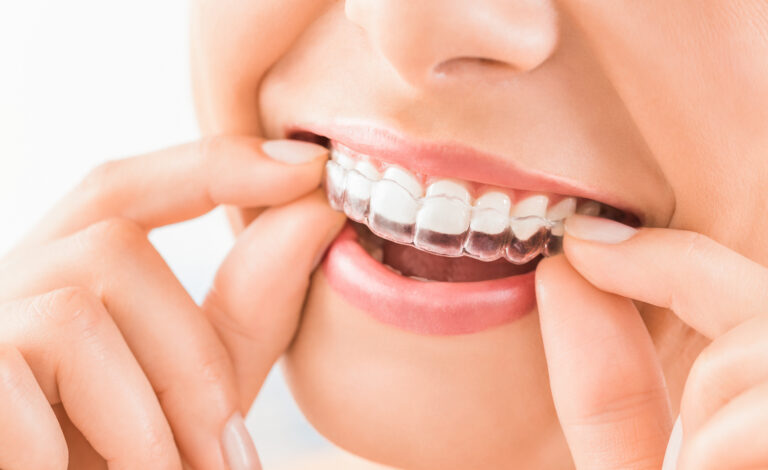
An Essix retainer is a clear, removable appliance custom-made to fit over the teeth. At first glance, it can resemble a clear aligner. However, the purpose is different.
Clear aligners are typically used in a sequence to move teeth. An Essix retainer is generally used after active orthodontic treatment to help maintain the positions that have already been achieved.
Because it is removable, the retainer can be taken out according to the wear instructions provided by the orthodontist. It should also be stored safely whenever it is not being worn.
Patients should follow their individualized schedule rather than deciding to stop retention simply because their teeth continue to look straight.
How Should You Store a Retainer?
Many lost retainers disappear during meals because they are wrapped in a napkin and accidentally thrown away. Others end up damaged in backpacks, pockets, purses, or places where pets can reach them.
The simplest habit is also one of the most useful: if the retainer is not in your mouth, put it in its protective case.
A retainer case makes the appliance easier to see, protects it from being crushed, and reduces the chance that it will be mistaken for trash.
Avoid placing the retainer loose on a restaurant table or tray. Similarly, do not store it in a pocket where it can bend or break.
Why Do Dogs Chew Retainers?
Orthodontic offices frequently hear about retainers that have been chewed by pets. Retainers carry saliva and familiar scents, which may make them appealing to dogs.
A damaged retainer should not continue to be worn if chewing has distorted, punctured, or cracked it. In addition to changing the fit, the appliance may have rough edges.
Keep your retainer case somewhere pets cannot reach, even if the appliance is inside the case. A determined dog can sometimes damage both the case and retainer.
If a pet damages your appliance, contact Lake Travis Orthodontics for replacement guidance.
Can Hot Water Ruin a Retainer?
Heat can distort certain clear retainer materials. For that reason, patients should avoid cleaning retainers with very hot or boiling water unless specifically instructed otherwise.
A distorted retainer may look relatively normal while fitting differently enough to affect comfort or tooth contact.
Follow the cleaning directions provided by your orthodontic team. Using cool or appropriately tempered water and approved cleaning methods can help preserve the appliance.
Also avoid leaving a retainer in places that may become extremely hot, such as inside a vehicle during warm weather.
How Long Does a Retainer Last?
Retainers do not necessarily last forever. Over time, a clear retainer may wear, crack, become distorted, or lose some of its original fit.
How long an individual appliance lasts depends on several factors, including how often it is worn, how it is cleaned and stored, whether the patient grinds or clenches, and how carefully it is handled.
Instead of relying on a specific number of years, pay attention to the condition and fit of your appliance. If you see cracks, worn areas, distortion, or a noticeable change in fit, contact the orthodontic office.
Replacing an aging retainer before it completely fails can help avoid a sudden gap in your retention routine.
What Is the Smile for Life Retainer Program?
Lake Travis Orthodontics offers a Smile for Life retainer membership designed to make ongoing retainer replacement more manageable for eligible patients.
For people who are concerned about losing, wearing out, or damaging retainers over the years, a replacement program can provide a more structured approach to long-term retention.
Because program terms can change and individual eligibility may vary, patients should review the current details directly with Lake Travis Orthodontics before enrolling.
The broader idea is simple: orthodontic retention can last for many years, so having a plan for replacement before an appliance is lost or damaged may make it easier to protect your alignment.
What If You Lose Your Retainer While Traveling?
Losing a retainer during a vacation, business trip, or extended visit away from Bee Cave can feel especially stressful. The first step is still to contact your orthodontic office.
Explain when you lost the appliance, how long you will be away, and whether you have access to a backup retainer. The team can advise you on the most appropriate next steps.
Do not order an unsupervised replacement online based solely on a home impression or assume that any clear tray will maintain your teeth correctly.
A custom retainer should match your current tooth positions and retention needs.
What If a Child or Teen Loses Their Retainer?
Lost retainers are common among younger patients because retainers may be removed during lunch, sports, sleepovers, school activities, or travel.
Parents can help by establishing a simple rule: the retainer goes in the mouth or in its case, never loose in a backpack and never wrapped in a napkin.
If a teenager loses the appliance, contact the orthodontic office promptly rather than waiting for the next scheduled visit.
It can also help to keep the retainer case visually distinctive so it is easier to notice on a lunch table or in a school bag.
Can Dental Work Change How Your Retainer Fits?
Yes. A new crown, filling, veneer, or other restoration can sometimes alter the shape of a tooth enough to change retainer fit.
If you are planning dental work, tell both your dentist and orthodontist that you wear retainers. Coordination may help determine whether a new retainer will be needed afterward.
If dental work has already been completed and your retainer no longer seats correctly, do not force it. Contact Lake Travis Orthodontics for an evaluation.
How Can You Tell When a Retainer Needs Replacement?
Retainers should be checked periodically for signs of wear. You may need to ask about replacement if you notice:
- A visible crack
- A hole or thin worn area
- A distorted shape
- A rough or damaged edge
- The retainer no longer seats completely
- A significant change in tightness
- The appliance repeatedly comes loose
- Damage caused by heat or a pet
Do not wait for the retainer to completely break if you already know the material is deteriorating.
Common Questions About Lost or Broken Retainers
What should I do if I lose my retainer?
Contact your orthodontic office as soon as you know the retainer is missing. The team can determine whether a replacement can be made or whether your teeth should be evaluated first.
Can I wait a few weeks before replacing a lost retainer?
It is better to contact your orthodontist promptly. Teeth can shift without retention, and the rate of movement varies from patient to patient.
Should I wear a cracked retainer?
A damaged retainer may no longer fit or function properly. Contact the orthodontic office for guidance rather than continuing to wear a significantly cracked or distorted appliance.
Can I force an old retainer onto teeth that have shifted?
No. If a retainer does not fully seat or causes significant pressure, do not force it into place. An orthodontist should evaluate the fit and determine whether replacement or active treatment is needed.
Can a retainer straighten teeth again?
Retainers are primarily intended to maintain alignment. If teeth have already moved, the orthodontist can determine whether limited orthodontic treatment, clear aligners, braces, or another approach is necessary before a new retainer is made.
How can I avoid losing another retainer?
Keep the retainer in its protective case whenever it is out of your mouth. Avoid wrapping it in napkins, leaving it loose on tables, or placing it where pets can reach it.
Protect the Smile You Worked to Achieve
A lost or broken retainer does not need to become a major setback, but acting promptly is important. Whether your appliance disappeared during lunch, cracked from wear, was damaged by a pet, or suddenly stopped fitting, an orthodontic evaluation can help determine the most appropriate replacement plan before unwanted tooth movement becomes more noticeable.
If you need retainer replacement in Bee Cave, contact Lake Travis Orthodontics at (512) 402-1501 or visit 12500 Bee Caves Rd, Bee Cave, TX 78738 to Schedule a Consultation and get your retention plan back on track.