
Does your child regularly breathe through their mouth, sleep with their mouth open, or seem to have difficulty keeping their lips comfortably closed? Mouth breathing can happen for many reasons, and it does not automatically mean your child has an orthodontic problem. However, because breathing patterns, jaw development, tooth position, and facial growth can interact during childhood, persistent mouth breathing is worth mentioning during an orthodontic evaluation.
At Lake Travis Orthodontics, children’s orthodontics and airway evaluation in Bee Cave considers more than whether the teeth look straight. Dr. Alberto Tostado evaluates tooth alignment, spacing, bite development, jaw growth, and airway-related concerns as part of a thoughtful, functional approach. When breathing or sleep concerns suggest that additional assessment may be helpful, families may also be encouraged to coordinate with the appropriate medical professional.
What Is Mouth Breathing?
Mouth breathing simply means that a person regularly breathes through the mouth rather than primarily through the nose. Anyone may breathe through the mouth temporarily when experiencing congestion, allergies, a cold, or intense physical activity. The concern is usually persistent mouth breathing that continues when a child is otherwise resting or sleeping.
Parents may first notice that their child sleeps with an open mouth, wakes with a dry mouth, or habitually keeps the lips apart during quiet activities. In other situations, a dentist or orthodontist may notice a pattern during an examination and ask whether the child commonly breathes through the mouth.
Mouth breathing can have several possible causes. Because orthodontists do not diagnose every condition that can affect breathing, identifying a pattern is often the beginning of a conversation rather than the end of one.
Why Might an Orthodontist Ask About Mouth Breathing?
Orthodontists spend a great deal of time evaluating how the teeth, jaws, and facial structures develop. During childhood, these areas are still changing, which means breathing and oral function are useful parts of the overall history.
A child who frequently breathes through the mouth may also have concerns involving jaw development, arch shape, tooth position, or bite relationships. However, this does not mean mouth breathing caused every orthodontic condition or that orthodontic treatment alone can correct every breathing problem.
An airway-aware orthodontic evaluation considers these observations together. The orthodontist can look at how the teeth fit, how the jaws relate to one another, and whether there are orthodontic findings that deserve monitoring or treatment.
Lake Travis Orthodontics describes this as a functional approach, which means looking beyond straight teeth and considering how the bite and jaws work together as part of the patient’s overall development.
What Signs of Mouth Breathing Might Parents Notice?
Parents spend more time observing their children than any dental professional, so information from home can be valuable. You may want to mention mouth breathing during an orthodontic visit if you regularly notice signs such as:
- Your child frequently rests with the mouth open
- The lips remain apart while watching television, reading, or relaxing
- Your child often sleeps with the mouth open
- You regularly hear snoring or noisy breathing during sleep
- Your child wakes with a dry mouth
- Nasal breathing seems difficult even when your child is not sick
- You notice restless sleep or frequent position changes
- Your child has a history of persistent congestion or other breathing concerns
These observations are not a diagnosis. However, sharing them gives the orthodontist additional information that can help guide the evaluation and determine whether another healthcare professional should be involved.
Can Mouth Breathing Affect Jaw Development?
Jaw development is influenced by many factors, including genetics and normal growth. Oral posture and function may also be considered as part of the broader developmental picture.
When a child regularly keeps the mouth open, the resting positions of the lips and tongue may differ from those of a child who comfortably maintains nasal breathing and closed-lip posture. Over long periods, an orthodontist may consider whether these functional patterns are occurring alongside changes in dental arch shape or bite development.
It is important not to oversimplify this relationship. A narrow dental arch, crowded teeth, or an open bite does not prove that mouth breathing caused the condition. Similarly, changing tooth position does not automatically correct the underlying reason a child breathes through the mouth.
This is why individualized evaluation matters. Rather than assuming one cause, the orthodontist looks at the entire pattern of growth and development.
Can Mouth Breathing Be Related to a Narrow Upper Arch?
Some children who are evaluated for persistent mouth breathing may also have a relatively narrow upper dental arch. A narrow arch can contribute to crowding, crossbite development, or a mismatch between the upper and lower teeth.
However, not every child who breathes through the mouth has a narrow upper arch, and not every narrow upper arch is related to mouth breathing.
During an orthodontic evaluation, the orthodontist can assess arch width and how the upper and lower teeth fit together. If a crossbite or another developmental concern is present, treatment may be discussed based on the child’s specific needs and stage of growth.
This is one reason early orthodontic evaluation can be useful. The goal is not necessarily to start treatment immediately, but to understand how the child’s teeth and jaws are developing while growth is still occurring.
Can Mouth Breathing Be Related to an Open Bite?
An open bite occurs when certain upper and lower teeth do not meet when the mouth is closed. The condition can have several possible contributors, including tooth position, jaw development, prolonged oral habits, and functional patterns.
Because persistent mouth-open posture can occur alongside differences in tongue position and lip posture, the orthodontist may ask about mouth breathing when evaluating an open bite.
Again, an open bite does not automatically mean mouth breathing is the cause. The orthodontist needs to evaluate the child’s bite, growth, oral habits, and other factors before recommending treatment.
If orthodontic treatment is appropriate, the goal is to improve tooth and bite relationships while also recognizing that medical or functional concerns may need separate evaluation.
Benefits of an Airway-Aware Orthodontic Evaluation in Bee Cave
An airway-aware orthodontic evaluation gives parents an opportunity to discuss breathing and sleep observations while the orthodontist evaluates the child’s teeth, bite, and developing jaws. Potential benefits include:
- A broader view of development: The evaluation considers tooth alignment, bite relationships, jaw development, and concerns parents report about breathing.
- Early recognition of orthodontic concerns: Crossbites, crowding, open bites, and other developing conditions can be identified while the child is still growing.
- Thoughtful monitoring: Children who do not need immediate treatment can be observed as permanent teeth erupt and jaw development continues.
- Better communication with parents: Families can explain what they notice at home, including mouth breathing, snoring, or sleep concerns.
- Appropriate coordination of care: When breathing concerns fall outside the orthodontist’s role, families can be encouraged to seek further medical evaluation.
- Individualized treatment timing: If an orthodontic concern would benefit from treatment during growth, the orthodontist can discuss why the timing matters.
- A focus on function as well as alignment: Treatment planning considers how the teeth and jaws work together instead of focusing only on appearance.
Does Mouth Breathing Mean My Child Needs Braces?
No. Mouth breathing by itself is not a reason to place braces.
An orthodontic evaluation may result in several different recommendations. Your child may not need treatment at all. The orthodontist may recommend monitoring development, or there may be a specific orthodontic concern that would benefit from treatment.
Braces are used to move teeth and improve orthodontic relationships. They are not a treatment for every cause of mouth breathing.
This distinction is important because parents searching for information about mouth breathing and orthodontics may find claims suggesting that braces can solve a wide range of airway or sleep problems. In reality, treatment decisions need to be based on a careful examination and, when appropriate, coordinated care with other healthcare professionals.
Can Clear Aligners Be Used for Children With Orthodontic Concerns?
Clear aligners can be appropriate for selected children and teenagers, depending on their stage of dental development and the movements required. However, appliance choice comes after diagnosis.
If a child’s orthodontic concern involves crowding, spacing, or a bite problem, the orthodontist first determines what needs to change. Braces, clear aligners, monitoring, or another orthodontic approach may then be considered.
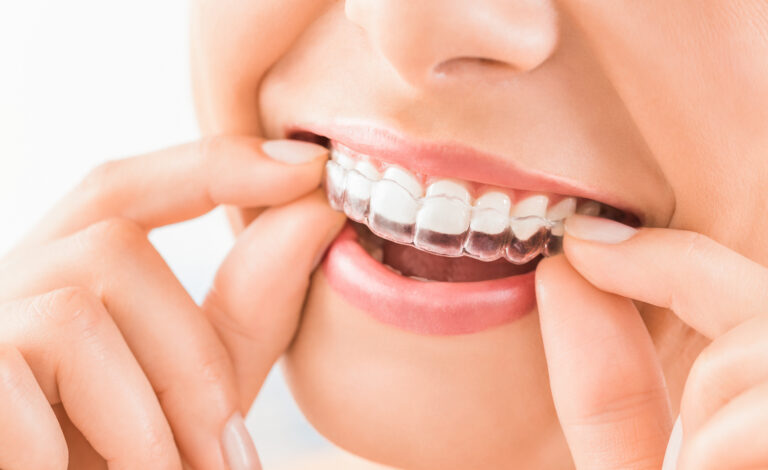
Lake Travis Orthodontics offers clear aligners in Bee Cave as one treatment option for appropriate patients. The practice also provides braces for children and teens whose treatment needs are better suited to fixed appliances.
Whether mouth breathing is present does not automatically determine which orthodontic appliance should be used.
Why Is an Orthodontic Evaluation Around Age 7 Helpful?
Around age seven, many children have a combination of baby and permanent teeth. This allows an orthodontist to observe how permanent teeth are erupting and how the bite is beginning to develop.
At this stage, the orthodontist may identify developing crowding, crossbites, underbites, open bites, or other relationships that deserve monitoring. Parents can also mention concerns about mouth breathing, sleep, oral habits, or jaw development.
An age 7 orthodontic evaluation does not mean treatment is required. For many children, the best recommendation is simply to continue growing and return for another evaluation later.
Lake Travis Orthodontics emphasizes early evaluation and thoughtful monitoring so care can be timed according to the child’s individual development.
What Happens During an Airway-Aware Orthodontic Evaluation?
The appointment begins with understanding your concerns. Tell the orthodontic team if you regularly notice mouth breathing, snoring, restless sleep, difficulty breathing through the nose, or other patterns that concern you.
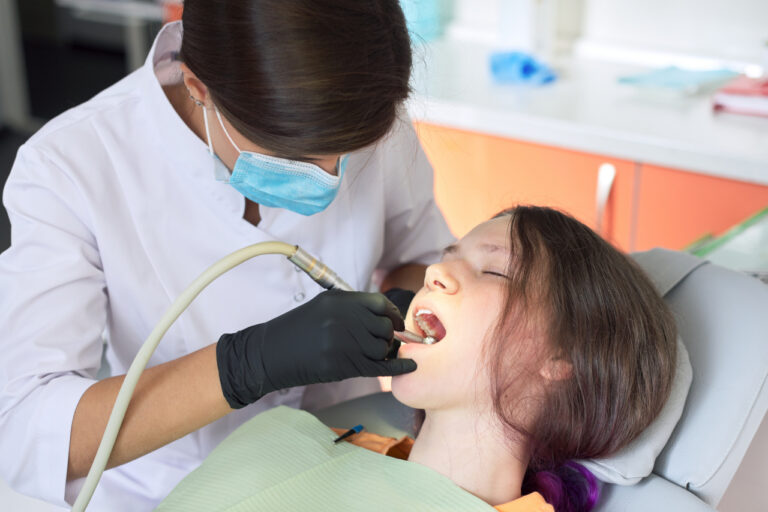
The orthodontist then evaluates the teeth, bite, and jaws. Depending on the child’s needs, photographs, digital scans, or imaging may be used to gather additional information.
Lake Travis Orthodontics may evaluate areas such as:
- Dental arch shape and width
- Crowding or spacing
- Upper and lower jaw relationships
- Crossbite development
- Open bite patterns
- Tooth eruption
- Resting oral posture observations
- Other orthodontic findings related to growth and development
After the evaluation, Dr. Tostado can explain whether orthodontic treatment, observation, or another evaluation may be appropriate.
Can an Orthodontist Diagnose Sleep Apnea?
An orthodontic evaluation can identify concerns that may justify further assessment, but parents should not rely on an orthodontic appointment alone to diagnose sleep apnea or another medical sleep disorder.
If your child has significant snoring, breathing pauses during sleep, persistent breathing difficulty, or another concerning symptom, discuss it with your child’s healthcare provider.
Lake Travis Orthodontics takes airway concerns seriously while recognizing the importance of coordinated care. When appropriate, medical professionals may need to evaluate the underlying breathing or sleep concern.
This collaborative approach helps keep each provider focused on the area they are qualified to evaluate and treat.
What Is Functional Orthodontics?
The phrase functional orthodontics can mean different things in different settings. At Lake Travis Orthodontics, the approach includes considering how the teeth and jaws function together rather than treating straightness as the only goal.
That means evaluating the bite, jaw relationships, tooth alignment, growth, and concerns related to breathing or sleep as part of the overall picture.
You can learn more about Dr. Alberto Tostado’s functional orthodontic approach and how he considers tooth alignment, jaw development, airway concerns, and non-extraction options when clinically appropriate.
A functional perspective does not mean every patient receives the same appliance or treatment. Personalized diagnosis remains central to the process.
What If My Child Has Crowded Teeth and Mouth Breathing?
Crowding means there is limited space for the teeth to align comfortably within the dental arch. If a child also breathes through the mouth, the orthodontist will evaluate both concerns without automatically assuming one caused the other.
The treatment plan depends on how severe the crowding is, the child’s stage of growth, arch development, bite relationships, and the positions of the permanent teeth.
Lake Travis Orthodontics considers non-extraction options when clinically appropriate. However, treatment recommendations are based on the individual child’s anatomy rather than a promise that one technique will work for everyone.
Parents should feel comfortable asking where additional space may come from, why a particular treatment is recommended, and what the orthodontist expects to accomplish.
What If My Child Snores?
Occasional snoring during a cold is different from frequent or persistent snoring. If your child snores regularly, mention it during the orthodontic evaluation and discuss it with the appropriate healthcare provider.
Snoring can have several causes, and an orthodontist cannot determine the cause based only on tooth position. However, knowing about the symptom provides useful context when evaluating jaw development and airway-related concerns.
Parents should also report any breathing pauses, gasping, unusual sleep patterns, or daytime concerns that have been noticed. Medical evaluation may be appropriate when symptoms suggest a possible sleep or breathing disorder.
Can Orthodontic Treatment Improve Airway Problems?
Orthodontic treatment can change tooth positions and, in selected growing patients, may be used to address dental arch or jaw-development concerns. However, it would be inaccurate to promise that orthodontic treatment will cure an airway disorder.
Breathing concerns can have many possible causes, including issues outside the teeth and jaws. Therefore, treatment needs to be based on a proper diagnosis.
If an orthodontic problem is present, correcting that problem may be one part of a larger care plan. When additional medical evaluation is needed, the orthodontist can encourage coordinated care rather than treating orthodontics as a substitute for medical assessment.
What Questions Should Parents Ask About Mouth Breathing and Orthodontics?
If you are scheduling an orthodontic evaluation because of mouth breathing or related concerns, consider asking:
- Does my child’s bite appear to be developing normally?
- Is the upper dental arch narrow?
- Do you see a crossbite, open bite, or another developing bite concern?
- Does my child need orthodontic treatment now, or should we monitor growth?
- What is the specific goal if early treatment is recommended?
- Could oral habits be affecting tooth position?
- Do the breathing concerns I described suggest that another healthcare professional should evaluate my child?
- What changes should I watch for as my child grows?
- When should we return for another orthodontic evaluation?
These questions can help parents understand what falls within orthodontic care and when another type of evaluation may be useful.
Common Questions About Mouth Breathing and Orthodontics
Can mouth breathing cause crooked teeth?
Mouth breathing may occur alongside differences in oral posture, jaw development, or tooth position, but crooked teeth can develop for many reasons. An orthodontist can evaluate your child’s alignment and growth rather than assuming a single cause.
Does mouth breathing mean my child needs braces?
No. Mouth breathing alone does not determine whether braces are needed. The orthodontist evaluates the teeth, bite, jaws, and stage of development before recommending treatment or monitoring.
Can an orthodontist help with mouth breathing?
An orthodontist can evaluate tooth alignment, bite relationships, dental arch development, and jaw growth while considering concerns about breathing. When appropriate, further evaluation by a medical professional may also be recommended.
Should I tell the orthodontist if my child snores?
Yes. Parents should share observations about frequent snoring, mouth breathing, or sleep concerns. These details can provide useful context during an airway-aware orthodontic evaluation.
Can braces cure sleep apnea?
Braces should not be viewed as a cure for sleep apnea. Sleep apnea is a medical condition that requires appropriate evaluation. Orthodontic care may be one part of coordinated treatment in selected situations, but diagnosis and treatment depend on the individual patient.
When should a child have their first orthodontic evaluation?
An early orthodontic evaluation around age seven can provide useful information about tooth eruption, bite development, jaw growth, and other concerns. Many children are simply monitored rather than treated immediately.
Talk About Breathing Concerns as Part of Your Child’s Orthodontic Evaluation
Persistent mouth breathing is worth mentioning, especially when it occurs alongside snoring, an open-mouth resting posture, crowding, or concerns about bite development. An orthodontic evaluation can help parents understand how the teeth and jaws are developing while also identifying situations where additional medical assessment may be appropriate.
If you have questions about mouth breathing and orthodontics in Bee Cave, contact Lake Travis Orthodontics at (512) 402-1501 or visit 12500 Bee Caves Rd, Bee Cave, TX 78738 to Schedule a Consultation for your child.