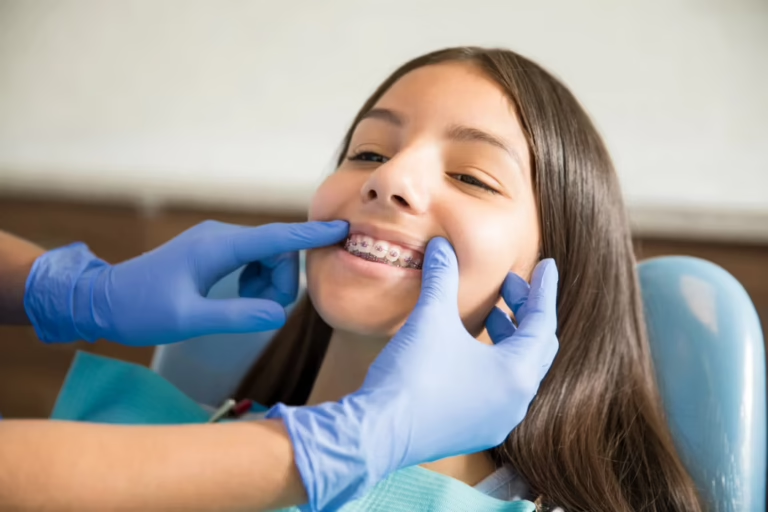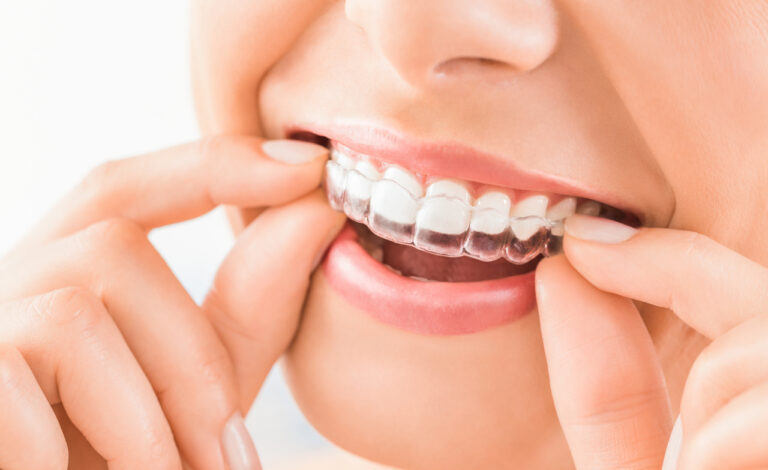
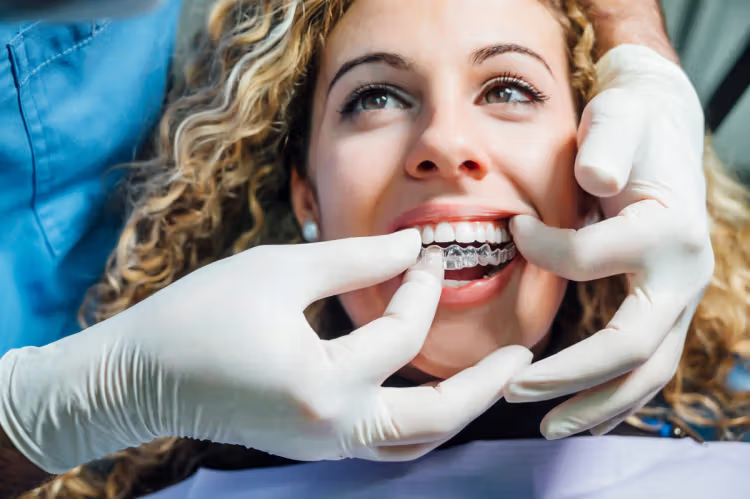
Many adults are interested in straightening their teeth but assume previous dental work automatically rules out orthodontic treatment. Crowns, fillings, bridges, veneers, missing teeth, and even dental implants can make treatment planning more detailed, but they do not necessarily prevent an adult from improving tooth alignment or correcting a bite concern.
At Lake Travis Orthodontics, adult orthodontics in Bee Cave is personalized around the teeth and dental work a patient has today. Rather than treating every adult like a teenager starting with untouched natural teeth, the orthodontist can consider existing restorations, previous dental treatment, gum health, bite relationships, and long-term restorative plans when determining whether braces or clear aligners are appropriate.
Can Adults With Dental Work Still Have Orthodontic Treatment?
In many cases, yes. Adults frequently begin orthodontic treatment after years of routine and restorative dental care. It is common for an adult patient to have several fillings, one or more crowns, a missing tooth, previous root canal treatment, or another dental restoration before ever visiting an orthodontist.
The presence of dental work does not automatically mean teeth cannot move. However, certain restorations affect treatment planning differently. A crowned natural tooth can often move orthodontically because the natural root remains in the bone. A dental implant, on the other hand, is integrated with the jawbone and does not move in the same way as a natural tooth.
For that reason, the orthodontist needs to know exactly which teeth have been restored and what type of dental work is present before creating the treatment plan.
Can You Get Braces If You Have Dental Crowns?
Dental crowns are common among adults, and having a crown does not necessarily prevent braces treatment. If the crowned tooth has a healthy natural root and supporting tissues, the tooth may still be moved orthodontically.
The main difference is that bonding an orthodontic bracket to a crown may require a different technique than bonding to natural tooth enamel. The material used for the crown, such as ceramic or another restorative material, can influence how the orthodontic team prepares the surface and attaches the bracket.
Lake Travis Orthodontics offers braces in Bee Cave for adults with a wide range of treatment needs. During the consultation, the orthodontist can identify which teeth have crowns and determine how those restorations fit into the movement plan.
If a crown is already loose, damaged, or in need of replacement, your orthodontist may recommend coordinating with your general dentist before active treatment begins.
Can Clear Aligners Be Used With Crowns?
Clear aligners may also be an option for adults with crowns. Because aligners fit over the entire tooth rather than relying on a bracket bonded to every tooth, they can sometimes provide a convenient treatment approach for restored teeth.
However, clear aligner treatment may still require attachments. These small tooth-colored shapes are bonded to selected teeth to improve the aligner’s ability to produce particular movements. If an attachment needs to be placed on a crowned tooth, the orthodontist will consider the crown material and determine whether the attachment can be bonded appropriately.
Patients interested in removable orthodontics can explore clear aligners in Bee Cave. Whether they are suitable depends on the full bite and required movements, not simply the presence or absence of dental crowns.
What About Teeth With Large Fillings?
Teeth with fillings can often move during orthodontic treatment. The orthodontist will consider how much natural tooth structure remains, the location and size of the restoration, and whether the tooth is healthy enough to tolerate planned movement.
A filling itself does not usually prevent orthodontics. However, heavily restored teeth may deserve additional attention during treatment planning. If a filling is failing, cracked, or causing another dental problem, addressing that concern before braces or aligners may be recommended.
Adults should continue regular dental examinations throughout orthodontic care so existing restorations can be monitored while the teeth are moving.
Can a Tooth With a Root Canal Be Moved?
A tooth that has undergone root canal treatment may still be considered for orthodontic movement if the tooth, root, surrounding bone, and restoration are stable. Root canal treatment removes infected or damaged tissue from inside the tooth, but the tooth itself remains supported by its root and surrounding structures.
Because every root canal treated tooth has a different history, the orthodontist may review dental imaging and coordinate with the general dentist or endodontist when necessary.
The goal is to make sure the tooth is stable enough for the planned treatment. If there are signs of unresolved infection, root damage, or another concern, additional dental care may be recommended before orthodontic forces are applied.
Can Dental Implants Move With Braces?
Dental implants are different from natural teeth. A dental implant is designed to integrate with the jawbone, which means it cannot be orthodontically moved in the same way as a natural tooth.
This distinction is important when planning adult orthodontics. If an implant is already present, the orthodontist generally needs to plan tooth movement around its fixed position.
In some cases, the implant may even serve as a stable reference point during treatment. However, its location can also limit certain movements if surrounding natural teeth need to shift into space occupied by the implant.
This is one reason orthodontic treatment is sometimes completed before a permanent implant is placed. When a tooth is missing, orthodontics may be used first to create the correct amount of space or close the space entirely, depending on the larger dental plan.
Should Orthodontics Come Before a Dental Implant?
When a patient is already planning to replace a missing tooth with an implant, it may be beneficial to have an orthodontic evaluation before the implant is placed.
Natural teeth can be repositioned, but an integrated dental implant generally cannot. Therefore, placing the implant before the surrounding teeth are in their intended positions may reduce future orthodontic flexibility.
For example, the orthodontist may determine that the neighboring teeth need to be uprighted, rotated, or moved slightly before enough ideal space exists for the implant restoration.
Alternatively, the orthodontic plan may show that the missing-tooth space can be closed, potentially changing the restorative plan altogether.
Coordinating orthodontic and restorative care early can help each provider understand the final goal before irreversible treatment is completed.
Can You Get Orthodontic Treatment With a Dental Bridge?
A dental bridge connects multiple teeth or restorations, which can make orthodontic movement more complex. Because the teeth are joined together, they cannot always be moved independently without modifying the existing dental work.
That does not necessarily make orthodontic treatment impossible. Instead, the orthodontist may need to coordinate with the dentist who manages the bridge.
Depending on the case, the bridge may remain in place, need temporary modification, or eventually be replaced after orthodontic treatment. The decision depends on which teeth need to move and the long-term restorative plan.
This is another example of why adult orthodontics often involves collaboration between providers rather than isolated treatment.
Can You Have Braces With Veneers?
Adults with veneers may still be candidates for orthodontic treatment, but the restorations require careful consideration. Veneers are thin restorative materials bonded to the front surfaces of teeth, so bonding orthodontic brackets or attachments may require a technique designed for the veneer material.
The orthodontist will also consider the condition of the veneers and whether the tooth positions underneath them need to change significantly.
For some patients, clear aligners may offer an appealing option because there are no full brackets attached to every front tooth. However, clear aligner attachments may still be necessary depending on the movements required.
Choosing between braces and aligners should therefore be based on treatment mechanics as well as the existing restorative work.
Benefits of Adult Orthodontics With Existing Dental Work
When orthodontic care is carefully coordinated with existing restorations, adults may gain several practical advantages from treatment:
- Improved tooth alignment: Crowded, rotated, or uneven natural teeth may be moved into more organized positions even when some teeth have restorations.
- Better bite coordination: Orthodontic treatment can address how the upper and lower teeth fit together rather than focusing only on appearance.
- Improved restorative planning: Orthodontics can create more appropriate space for future crowns, bridges, or implants when necessary.
- More manageable oral hygiene: Correcting overlapping natural teeth may make certain areas easier to brush and floss.
- Personalized appliance choices: Depending on the case, adults may be candidates for braces, clear aligners, or another orthodontic approach.
- Coordinated long-term care: The orthodontist can work with the patient’s dentist and other dental specialists when treatment involves restorations or missing teeth.
Why Gum Health Matters Before Adult Orthodontics
Healthy supporting tissues are important when moving teeth orthodontically. Adults may have a longer history of gum disease, bone loss, or periodontal treatment than younger patients, so gum health deserves careful evaluation before treatment begins.
Having previous periodontal care does not automatically rule out orthodontics. However, active gum disease generally needs to be addressed before significant tooth movement is started.
The orthodontist may coordinate with a general dentist or periodontist when necessary. Regular dental cleanings should also continue during orthodontic treatment.
For patients with reduced bone support, tooth movement may need to be planned differently. The goal is not simply to create straighter teeth, but to move them in a way that respects the health of the surrounding tissues.
Can Braces Damage Existing Dental Work?
Orthodontic treatment is planned to work with existing restorations whenever possible, but dental work can occasionally become damaged, loosened, or require replacement during a long treatment process.
A crown that was already nearing the end of its useful life may need attention regardless of orthodontics. Similarly, fillings or veneers can develop issues over time.
Before treatment, tell Lake Travis Orthodontics about any restoration that has recently felt loose, sensitive, or uncomfortable. Your dentist can evaluate questionable dental work before orthodontic treatment begins.
During treatment, report changes promptly. Early evaluation is usually easier than waiting until a restoration becomes significantly damaged.
What If You Need New Dental Work During Orthodontic Treatment?
Dental care does not stop simply because you are wearing braces or clear aligners. Cavities, broken restorations, or other dental needs can still be treated while orthodontics is underway.
However, communication between the dentist and orthodontist can be important, particularly if the planned dental work changes the shape of a tooth.
For a clear aligner patient, replacing a large filling or crown may change how an existing tray fits. Therefore, the orthodontist should know about major restorative treatment before it is completed whenever possible.
Braces patients may also need temporary removal or adjustment of an orthodontic component so a dentist can access a particular tooth.
Coordinated care can help both treatments continue smoothly.
Could Orthodontics Make Future Dental Work Easier?
Yes. In some cases, orthodontics is performed specifically to improve the positions of teeth before restorative dentistry.
For example, teeth next to a missing space may have tilted over time. Moving them into improved positions can help create a more suitable space for a future restoration.
Similarly, crowded teeth may be repositioned before cosmetic or restorative work so the dentist does not need to rely entirely on changing tooth shape to create a more even appearance.
When orthodontic and restorative care are coordinated, the providers can work toward a shared final result rather than solving each concern separately.
Are Clear Aligners Better for Adults With Dental Work?
Not necessarily. Clear aligners can be convenient for many adults, but existing dental work does not automatically make aligners a better choice than braces.
Clear aligners are removable, which can simplify eating and oral hygiene. They may also appeal to adults who prefer a lower-profile appliance. However, they depend on consistent daily wear.
Braces remain a useful option when the orthodontist wants continuous appliance engagement or precise control of more complicated movements.
Patients with crowns, fillings, or other restorations may be candidates for either approach. The decision should be based on the full orthodontic problem rather than the simple presence of dental work.
What Happens During an Adult Orthodontic Consultation?
An adult orthodontic evaluation begins with reviewing your current teeth, bite, and dental history. Be prepared to tell the orthodontist about crowns, implants, bridges, veneers, previous root canals, missing teeth, gum treatment, and any restorative care that is currently being planned.
The orthodontist may use photographs, digital scans, and imaging to evaluate tooth positions and supporting structures. These records can also help identify which teeth are natural and movable and which restorations may affect treatment mechanics.
Once the evaluation is complete, the orthodontist can discuss which treatment options are appropriate and whether coordination with another dental provider is recommended.
Patients who are new to the practice can also review information about the first orthodontic visit before scheduling.
Should You See Your Dentist Before Starting Orthodontics?
Adults should generally be current with routine dental care before beginning braces or clear aligners. Any active cavities, failing restorations, gum concerns, or other dental conditions should be identified so they can be managed appropriately.
Your dentist and orthodontist perform different roles. The dentist continues monitoring routine dental health, while the orthodontist focuses on tooth movement and bite correction.
Continuing regular dental appointments throughout orthodontic treatment is important, particularly for adults who already have several restorations that need ongoing monitoring.
What Happens After Adult Orthodontic Treatment?
Once active orthodontic movement is complete, retainers help maintain the new tooth positions. Retention is important for adults as well as teenagers because teeth can continue shifting over time.
Lake Travis Orthodontics offers Essix retainers as one clear removable retention option.
If restorative work is planned after orthodontics, timing matters. For example, a patient may complete tooth movement and then move directly into final implant, crown, veneer, or bridge treatment before the long-term retention strategy is finalized.
The orthodontist and restorative dentist can coordinate this transition so the teeth remain stable while the final dental work is completed.
Common Questions About Adult Orthodontics and Dental Work
Can I get braces if I have crowns?
Many crowned natural teeth can be moved orthodontically because the tooth root remains in the jawbone. The orthodontist will evaluate the crown and determine the appropriate bonding and movement strategy.
Can clear aligners work if I have fillings?
Yes, fillings do not automatically prevent clear aligner treatment. The orthodontist will evaluate the condition of the restored teeth and the movements required.
Can a dental implant move during braces treatment?
Dental implants generally do not move orthodontically because they are integrated with the jawbone. Treatment must usually be planned around the implant’s fixed position.
Should I get braces before a dental implant?
In some cases, orthodontic treatment is beneficial before implant placement because natural teeth can be repositioned to create the desired spacing. An orthodontist and restorative dentist can coordinate the sequence.
Can a root canal treated tooth move with braces?
A stable root canal treated tooth may be moved orthodontically when the root and surrounding tissues are healthy enough for treatment. The orthodontist will evaluate the tooth before planning movement.
Can I get braces if I have veneers?
Veneers do not automatically prevent orthodontic treatment, but they require careful planning because brackets or clear aligner attachments may need to bond to restored tooth surfaces.
Explore Adult Orthodontic Options That Work With Your Dental History
Previous dental treatment does not necessarily mean you have missed your opportunity for orthodontics. Adults with crowns, fillings, root canal treated teeth, veneers, bridges, missing teeth, and even dental implants may still have treatment options. The key is creating a plan that accounts for existing restorations rather than treating them as an afterthought.
If you are considering adult orthodontic treatment in Bee Cave, call Lake Travis Orthodontics at (512) 402-1501 or visit 12500 Bee Caves Rd, Bee Cave, TX 78738 to Schedule a Consultation and learn whether braces or clear aligners may fit your dental needs.