Finding an orthodontist for a child or adult with autism, Down syndrome, sensory sensitivities, developmental differences, or other special needs can involve more than choosing between braces and clear aligners. Families may also need a provider who is willing to understand communication preferences, sensory triggers, daily oral hygiene challenges, and the amount of time a patient may need to become comfortable in a new environment.
Lake Travis Orthodontics provides special needs orthodontic care in Bee Cave with an individualized approach to comfort, communication, and treatment planning. Rather than expecting every patient to respond to orthodontic appointments in the same way, the practice can discuss what helps your child or loved one feel more comfortable and which orthodontic options may be realistic for their needs.
Can Someone With Autism or Down Syndrome Get Orthodontic Treatment?
Many children, teenagers, and adults with autism, Down syndrome, or other special needs can receive orthodontic treatment when their dental health, treatment needs, and ability to tolerate the recommended care make treatment appropriate.
However, orthodontic treatment should never be approached as though every patient will have the same experience. One person may tolerate dental appointments and appliances very well, while another may find certain sounds, lights, textures, or sensations overwhelming.
The orthodontist also needs to consider whether braces or removable clear aligners can be maintained safely and consistently. Oral hygiene, communication, cooperation, and caregiver support can all affect the treatment recommendation.
An orthodontic consultation allows the family and orthodontic team to talk through these considerations before deciding whether treatment should begin.
Why Can Orthodontic Visits Be Challenging for Some Patients With Special Needs?
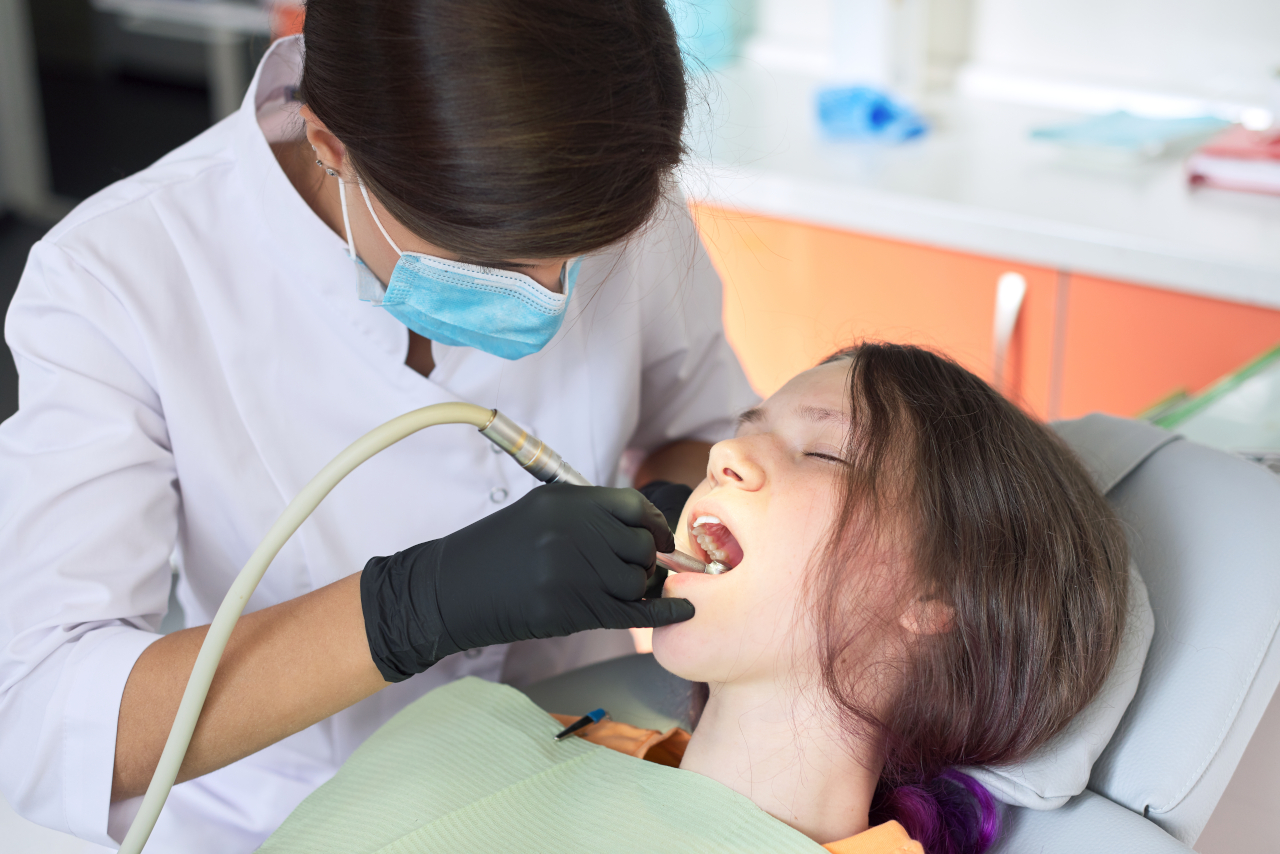
An orthodontic office includes many sensations that may be unfamiliar. Bright lights, reclining chairs, dental instruments, suction sounds, gloves, digital scanners, and having someone work inside the mouth may be difficult for a patient with sensory sensitivities.
Communication can also vary significantly. Some patients communicate verbally, while others use gestures, visual supports, assistive technology, or a caregiver’s help. A patient may also need more time to process instructions or become familiar with a new routine.
These differences do not automatically prevent orthodontic care. Instead, they highlight why the orthodontic team benefits from learning about the patient before treatment begins.
Families can share what the patient enjoys, what tends to cause anxiety, how discomfort is usually communicated, and which strategies have worked well during previous medical or dental appointments.
How Can Families Prepare for a Special Needs Orthodontic Appointment?
Preparation can make an unfamiliar appointment feel more predictable. What works best will depend on the individual patient, but families may consider several strategies before the first visit.
- Talk about the orthodontic visit ahead of time using language the patient understands.
- Look at pictures of the orthodontic office before the appointment.
- Drive past the office so the location becomes more familiar.
- Explain that the orthodontist will look at the teeth and bite.
- Bring a preferred comfort item when appropriate.
- Tell the orthodontic team about sensory triggers before the appointment.
- Share communication strategies that work well at home or school.
- Explain how the patient typically shows discomfort, anxiety, or the need for a break.
- Ask whether a quieter appointment time may be available if crowds or noise are challenging.
Families should not feel that they need to manage every concern on their own. Providing information in advance gives Lake Travis Orthodontics an opportunity to understand the patient before the visit begins.
What Should You Tell the Orthodontist Before the Visit?
The more useful information the orthodontic team has, the easier it can be to plan the appointment. Parents, caregivers, or patients may want to discuss:
- Sensitivity to bright lights
- Sensitivity to loud or unexpected sounds
- Difficulty tolerating touch around the face or mouth
- Concerns about reclining in a dental chair
- Communication preferences
- Words or phrases that are especially helpful
- Words or experiences that may increase anxiety
- Preferred distractions or comfort objects
- Previous dental experiences
- Daily brushing and flossing abilities
- Medications and medical history
- Whether a caregiver assists with oral hygiene
No detail is too small if it helps the patient feel safer or helps the orthodontic team communicate more effectively.
Benefits of Special Needs Orthodontic Care in Bee Cave
Orthodontic treatment can address alignment and bite concerns while being adapted to the needs of the individual patient. Potential benefits of special needs orthodontic care include:
- Individualized communication: The orthodontic team can learn how a patient best receives instructions and expresses concerns.
- Attention to sensory needs: Families can discuss lights, sounds, movement, textures, and other triggers before treatment begins.
- Personalized appliance selection: Braces, clear aligners, or monitoring can be considered based on both orthodontic needs and the patient’s ability to manage the appliance.
- Improved tooth alignment: Treatment may address crowding, spacing, rotations, and other alignment concerns when clinically appropriate.
- Better bite coordination: Orthodontic care can improve how the upper and lower teeth fit together.
- Support for oral hygiene planning: Appliance choice can consider how easily the patient or caregiver can brush and floss around orthodontic treatment.
- A more predictable experience: Familiar routines and clear explanations may help reduce uncertainty during appointments.
- Caregiver involvement: Family members or caregivers can participate in treatment planning and daily appliance care when appropriate.
Are Braces an Option for Patients With Special Needs?
Braces can be an option for some patients with autism, Down syndrome, or other special needs. Because braces remain attached to the teeth, patients do not need to remember to insert and remove trays throughout the day.
This can be helpful for someone who may have difficulty keeping track of removable appliances. However, fixed braces also require careful brushing and flossing around brackets and wires.
Some patients may also need time to become comfortable with the feeling of brackets against the lips and cheeks. Orthodontic wax and gradual adjustment can help in some situations, but tolerance varies from person to person.
Lake Travis Orthodontics offers braces in Bee Cave and can evaluate whether fixed orthodontic treatment is realistic for the patient’s needs and home-care routine.
Are Clear Aligners an Option for Patients With Autism or Special Needs?
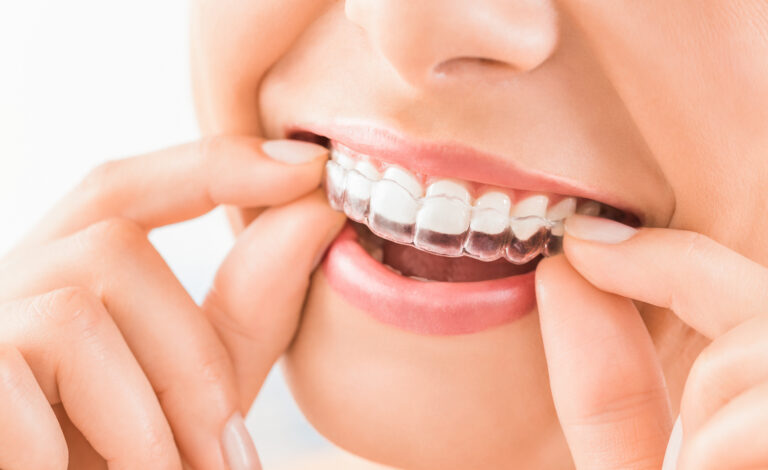
Clear aligners can be a useful alternative for selected patients because they are removable. The trays can be taken out for eating, brushing, and flossing, which may simplify oral hygiene for patients who need caregiver assistance.
In addition, clear aligners do not use brackets and wires, so there is less risk of a wire irritating the cheek or a bracket creating a rough surface inside the mouth.
However, removable treatment requires consistency. Aligners need to be worn according to the orthodontist’s instructions for treatment to progress. A patient who frequently removes the trays or has difficulty tolerating them may not be an ideal aligner candidate.
Lake Travis Orthodontics offers clear aligners in Bee Cave for appropriate patients. The orthodontist can compare removable treatment with braces based on both the bite and the patient’s daily needs.
Which Is Better for Special Needs Patients, Braces or Clear Aligners?
Neither option is automatically better. The right appliance depends on the individual.
Braces stay on the teeth, which removes the responsibility of remembering to wear trays. However, they require more detailed brushing and flossing around fixed appliances.
Clear aligners are removable and can make oral hygiene easier, but the patient or caregiver must manage insertion, removal, cleaning, storage, and consistent wear.
The orthodontist may consider questions such as:
- Can the patient tolerate an appliance inside the mouth?
- Is the patient likely to remove an aligner repeatedly?
- Can the patient or caregiver maintain good oral hygiene around braces?
- Would a removable appliance make brushing significantly easier?
- Which system provides the tooth movement required?
- How does the patient respond to changes in texture or pressure?
Appliance selection should balance orthodontic mechanics with practical daily care.
Why Is Oral Hygiene Especially Important During Orthodontic Treatment?
Braces and aligners move teeth, but healthy teeth and gums remain essential throughout treatment. Patients who already need assistance with brushing or flossing may need additional support once orthodontic appliances are introduced.
Brackets and wires can collect food and plaque around the teeth. Therefore, caregivers may need to help clean above and below brackets, along the gumline, and between teeth.
Clear aligners can simplify access to the teeth because the trays are removed before brushing. However, both the teeth and aligners need to be cleaned regularly.
Before starting orthodontic care, patients should generally be current with routine dental examinations and cleanings. Existing cavities, gum inflammation, or other oral health concerns may need attention before active tooth movement begins.
Should a Patient See a General Dentist Before Orthodontic Treatment?
Yes. Orthodontic care and general dental care serve different purposes.
The orthodontist focuses on tooth movement, alignment, and bite relationships. The general dentist continues evaluating cavities, gum health, dental cleanings, and other routine oral health needs.
Before braces or clear aligners are started, families should make sure the patient is receiving appropriate general dental care. If significant plaque buildup, tooth decay, or gum inflammation is present, those concerns may need to be managed first.
Regular dental visits should continue throughout orthodontic treatment.
How Can Sensory Sensitivities Affect Orthodontic Treatment?
Sensory sensitivities can influence which parts of orthodontic care feel most challenging. Some patients may dislike the sensation of cheek retractors, impression materials, scanners, brackets, aligners, or orthodontic wires.
Others may be more affected by sound, bright lights, the movement of the chair, or unfamiliar people working nearby.
Understanding these sensitivities ahead of time allows the family and orthodontic team to discuss possible accommodations or strategies.
No approach works for every patient. One person may feel calmer when each step is explained in detail, while another may prefer fewer words and a consistent sequence. Some patients may benefit from seeing or touching an item before it is used.
Can an Orthodontic Consultation Be Used Just to Get Comfortable With the Office?
A consultation does not necessarily mean braces or aligners must be started immediately. For a patient who is anxious about dental environments, the first appointment can also provide an opportunity to become familiar with the practice.
The patient can meet members of the team, see the treatment environment, and begin understanding what orthodontic care might involve.
If the patient is not ready for active treatment, the orthodontist can discuss whether monitoring or another visit later may be appropriate.
Families can review what to expect during a first visit to Lake Travis Orthodontics before the appointment so the experience feels more predictable.
What If the Patient Cannot Tolerate X-Rays or Digital Scans?
Orthodontic records can provide important information about tooth positions, jaw relationships, and developing teeth. However, some patients may have difficulty tolerating certain imaging or scanning procedures.
Tell the orthodontic team before the procedure begins if this is a known concern. The team can explain what information is needed and discuss what may be possible based on the patient’s comfort and treatment needs.
It is important not to promise that every diagnostic procedure can always be skipped. Safe orthodontic treatment requires adequate information. However, communicating the patient’s limitations gives the orthodontist a better opportunity to plan thoughtfully.
Can Treatment Be Broken Into Smaller Steps?
Some patients may feel more comfortable when new experiences are introduced gradually. Depending on the treatment plan and the patient’s needs, the orthodontic team may be able to explain care in smaller, predictable steps.
For example, a patient may benefit from becoming comfortable with the office environment before beginning a more involved procedure. Another patient may do well when the same routine is followed at each visit.
The exact approach depends on the clinical needs of the patient and what can be accomplished safely.
Families should discuss what has worked during previous dental, medical, school, or therapy experiences so the orthodontic team has useful context.
How Can Caregivers Help With Orthodontic Treatment?
Caregivers can play an important role before, during, and after orthodontic appointments.
At home, caregivers may help with brushing, flossing, aligner wear, elastic wear, or keeping track of removable appliances. They can also watch for broken brackets, irritating wires, damaged aligners, or changes in oral hygiene.
During appointments, caregivers may help explain how the patient communicates discomfort or what tends to increase anxiety.
The goal is not to speak over a patient who can communicate independently. Instead, caregiver involvement should support the patient’s needs and preferences.
What If a Bracket or Wire Breaks?
Orthodontic appliance problems can be particularly stressful for patients who are sensitive to changes inside the mouth. A loose bracket or poking wire may create a sensation that is difficult to ignore.
If an appliance breaks, contact Lake Travis Orthodontics for guidance. Orthodontic wax may temporarily help cover an irritating area when appropriate.
Do not make major appliance adjustments at home unless the orthodontic team has given specific instructions.
Families can also review information about orthodontic problems and emergencies so they know when to contact the office.
How Long Does Special Needs Orthodontic Treatment Take?
Treatment time depends primarily on the orthodontic problem and the movements required. A patient with mild spacing may have a different timeline from someone with significant crowding or a complex bite concern.
However, practical factors can also affect treatment progress. Missed appointments, difficulty wearing clear aligners, broken appliances, or challenges maintaining prescribed elastics can influence the schedule.
The orthodontist can provide an estimated timeline after evaluating the patient. Families should view that estimate as a guide rather than a guarantee because teeth respond to treatment at different rates.
Can Adults With Special Needs Receive Orthodontic Treatment?
Yes. Special needs orthodontic care is not limited to children. Adults with developmental, intellectual, sensory, or communication differences may also be evaluated for orthodontic treatment.
Adult treatment may involve additional considerations such as crowns, missing teeth, previous dental work, gum health, or long-standing bite concerns.
Lake Travis Orthodontics provides adult orthodontics in Bee Cave and can determine whether braces, clear aligners, monitoring, or another approach may be appropriate.
What Happens After Orthodontic Treatment?
Once active orthodontic treatment is complete, retainers are generally used to help maintain the new tooth positions.
For a patient with special needs, the retention plan should consider what is realistic at home. A removable retainer requires the patient or caregiver to manage wear, cleaning, and storage consistently.
Lake Travis Orthodontics offers Essix retainers and can discuss the retention strategy that fits the patient’s treatment.
Caregivers should contact the orthodontic office if a retainer is lost, damaged, or no longer fits rather than waiting for significant tooth movement to become visible.
Questions to Ask an Orthodontist About Special Needs Care
Families may find it helpful to prepare questions before the consultation, including:
- Does my child or loved one appear to need orthodontic treatment?
- Could monitoring be appropriate instead of starting treatment now?
- Would braces or clear aligners be easier to manage?
- How will oral hygiene affect the treatment recommendation?
- Can I tell you about sensory triggers before the appointment?
- How can we prepare for scans or imaging?
- What should I do if the patient becomes overwhelmed during a visit?
- How often will appointments be needed?
- What responsibilities will the patient or caregiver have at home?
- What type of retainer may be needed after treatment?
These conversations can help families decide whether the treatment plan feels realistic for the patient’s needs.
Common Questions About Special Needs Orthodontics
Can someone with autism get braces?
Yes, some patients with autism can successfully receive braces. The orthodontist will consider treatment needs, sensory tolerance, oral hygiene, communication, and caregiver support before recommending an appliance.
Can someone with Down syndrome receive orthodontic treatment?
Some children and adults with Down syndrome can receive orthodontic treatment when their oral health and individual needs make treatment appropriate. A personalized evaluation is necessary to determine the safest and most manageable approach.
Are clear aligners better than braces for special needs patients?
Not always. Clear aligners can make brushing and flossing easier because they are removable, but they require consistent wear and careful storage. Braces stay attached but require more detailed oral hygiene. The best option depends on the individual.
What should I tell the orthodontist about sensory issues?
Tell the orthodontic team about sensitivity to lights, sounds, touch, chair movement, oral sensations, communication preferences, and any strategies that have helped during previous dental or medical visits.
Can a caregiver stay involved in orthodontic treatment?
Caregiver involvement can be important when a patient needs assistance with communication, oral hygiene, aligner wear, elastics, or appliance care. The level of involvement should be tailored to the patient’s independence and needs.
Does the first orthodontic consultation mean treatment has to begin?
No. An evaluation may lead to treatment, monitoring, or no treatment at that time. The consultation is an opportunity to understand the orthodontic concerns and determine whether care is appropriate and manageable.
Find Orthodontic Care That Respects Individual Needs
Orthodontic treatment for a patient with autism, Down syndrome, sensory sensitivities, or other special needs should begin with understanding the person, not simply choosing an appliance. Communication preferences, sensory concerns, oral hygiene abilities, caregiver support, and orthodontic needs can all influence whether braces, clear aligners, monitoring, or another approach makes the most sense.
To learn more about special needs orthodontic care in Bee Cave, call Lake Travis Orthodontics at (512) 402-1501 or visit 12500 Bee Caves Rd, Bee Cave, TX 78738 to Schedule a Consultation and discuss how the team can support your child or loved one.